OK, since urine & chemistry were mentioned, here's my story;
After I had graduated college with MS in Materials Engineering, I started looking for work.
There was a temp agency locally that specialized in tech / engineering placements, so I got set up with them.
First gig was a dental supply company that was coming out with a new chair; they wanted an improvement over the existing chair fabric (basic vinyl), but they wanted to make sure the candidate material they were considering would hold up to the demands of the dental industry; they needed to test it thoroughly.
Wonderful little project for me, they didn't tell me how to evaluate the candidate fabric at all, they just gave me free rein.
So I went around the offices & shop floor, getting info about the existing systems, problems, and concerns. I settled on doing four different test series on A) the existing vinyl chair material, B) the candidate material, and C) a dental-equipment competitors 'premium' material; on all of the commercially-available colors for each fabric.
1) Abrasion (Dry, and Wet - i.e. cleaning with disinfectants over the long term) - Straightforward; the company already had mechanical engineers and a full-time chemist, so I did have support. They were just too busy to go off the tangent we needed to explore here.
2) UV fading - I purchased high-UV bulbs and set up an accelerated-testing rig with all the available colors, each swatch half-obscured.
3) Tearing / punctures - Straightforward mechanical testing setups
But the most fun was:
4) Clothing / dye transfer. One of the concerns were patients wearing new denim jeans, having to sit in the chair for a long procedure, and sweat causing the blue denim dye to transfer & stain the chair fabric. The dental equipment company already had an environmental test chamber - with controls for temperature and humidity - so we were set.
We just needed sweat - synthetic human sweat. A lot of it; I had many fabric samples to test, types and colors.
It turns out that human sweat has a very similar chemistry to human urine. Then I just needed to order the chemicals to make synthetic urine, easy peasy.
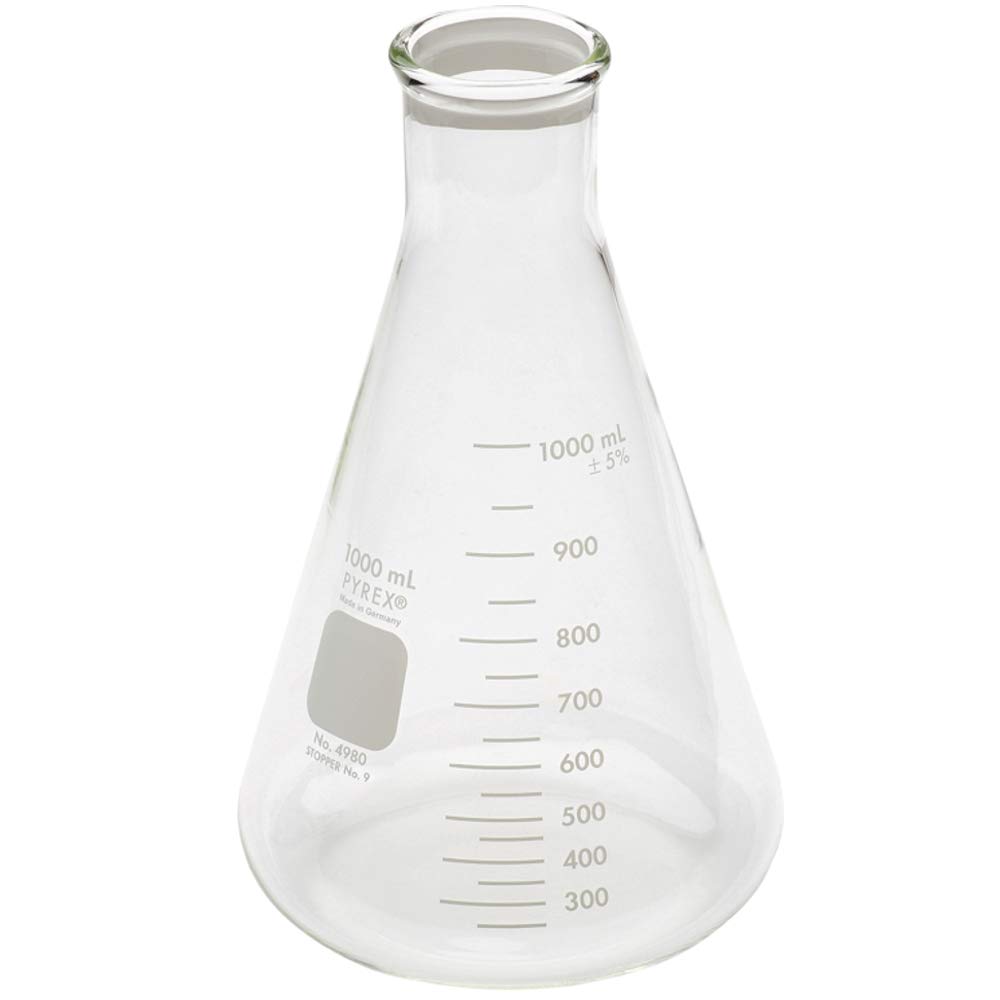
Brewed up one liter of urine. I still remember walking around the labs showing off my large Erlenmeyer flask of one liter of synthetic human urine, for amusement. People could evaluate it via olfactory methods - we were scientists & engineers, after all. :-)
24 hours in the test chamber for each of the fabrics, mated to a swatch of new blue denim material, moistened with a specific amount of "sweat", and under modest applied pressure.
The other neat part was at the conclusion of the test, the denim swatches all smelled like sweaty jeans, lol.