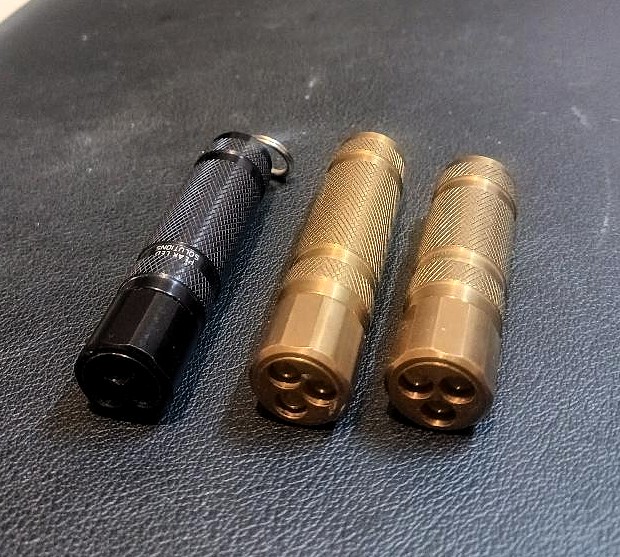
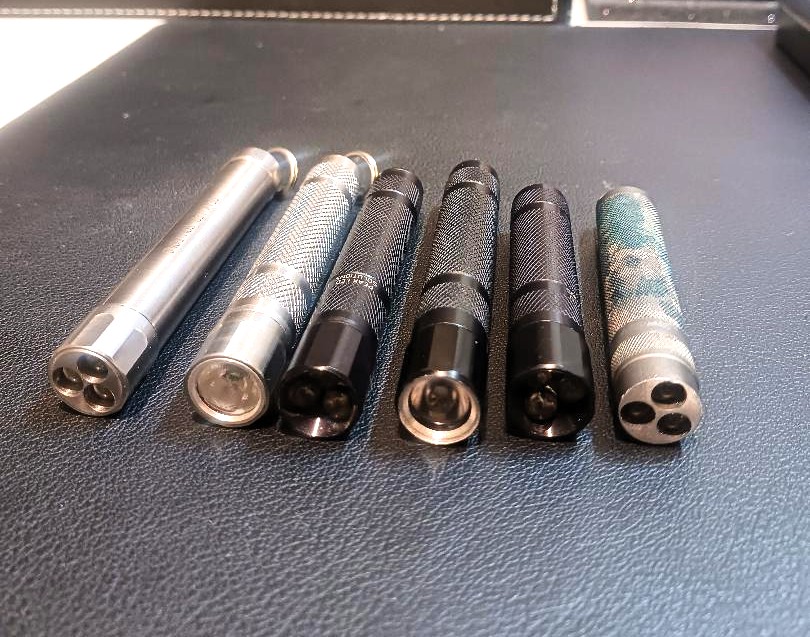
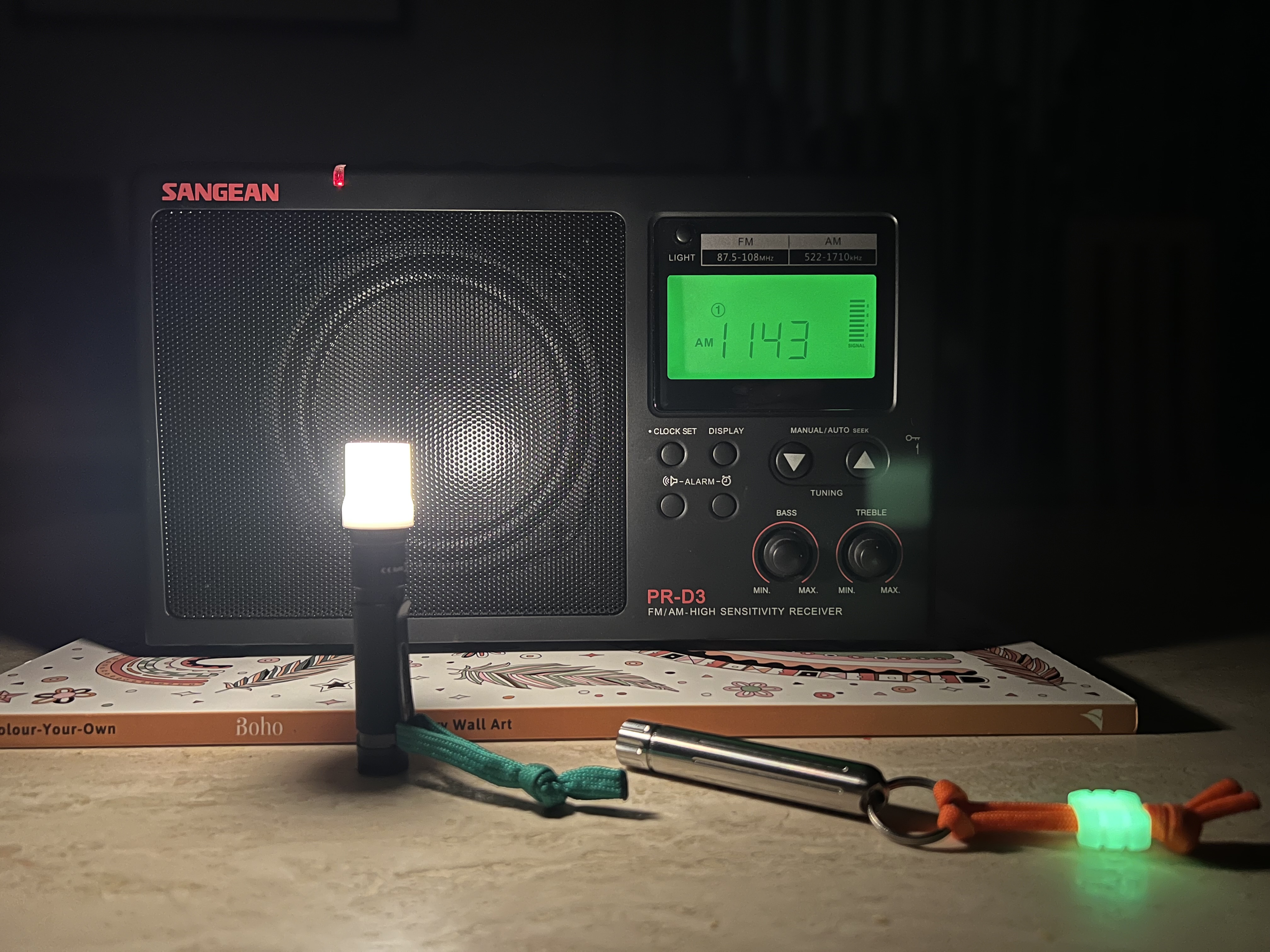
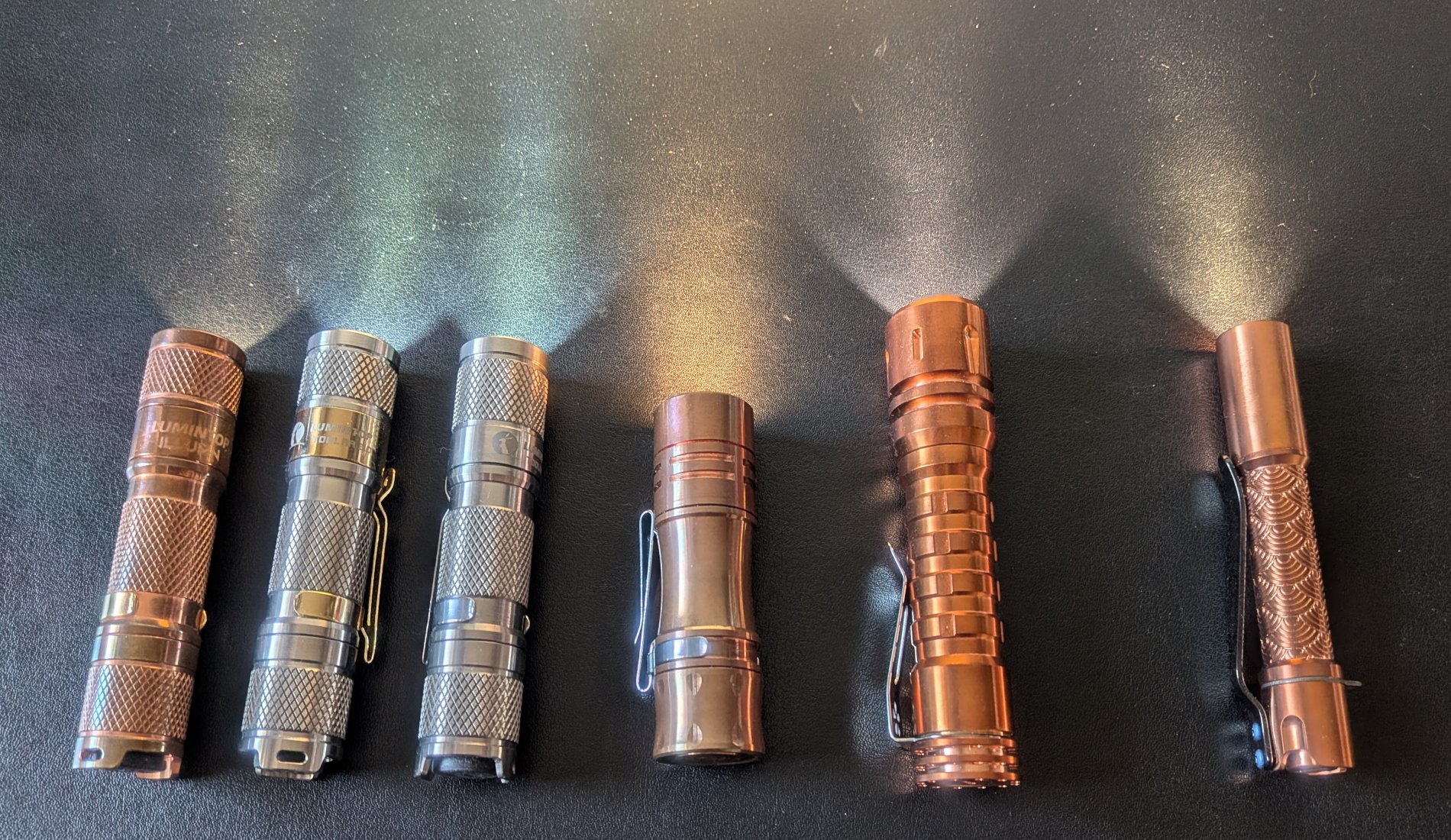
Lost in the CPF mists of time, @reppans did extensive sublumen efficiency tests, and the Peak converters scored extremely well.
This is partly because it is a "semi-regulated" driver, ie output is not flat over the total runtime.
I often use my Peaks as "battery drainers / volt vampires / joule thieves" because they will fire up the emitter at such low voltage. I find that when a cell will not light a Peak, there is almost nothing else I can find that it will run.
Is the QTC unreliable ? Short answer, yes. Yes it is. Can always remove it though. It is a simple but admittedly somewhat crude way to create variable output. I like the concept personally, but plenty of people don't. The key is being aware of, and to a certain degree accepting of, its limitations.
This is partly because it is a "semi-regulated" driver, ie output is not flat over the total runtime.
I often use my Peaks as "battery drainers / volt vampires / joule thieves" because they will fire up the emitter at such low voltage. I find that when a cell will not light a Peak, there is almost nothing else I can find that it will run.
Is the QTC unreliable ? Short answer, yes. Yes it is. Can always remove it though. It is a simple but admittedly somewhat crude way to create variable output. I like the concept personally, but plenty of people don't. The key is being aware of, and to a certain degree accepting of, its limitations.