Found my pair of finger-less Alpaca wool gloves the other day. Glad I did! NYC weather masquerading as Alaska weather!


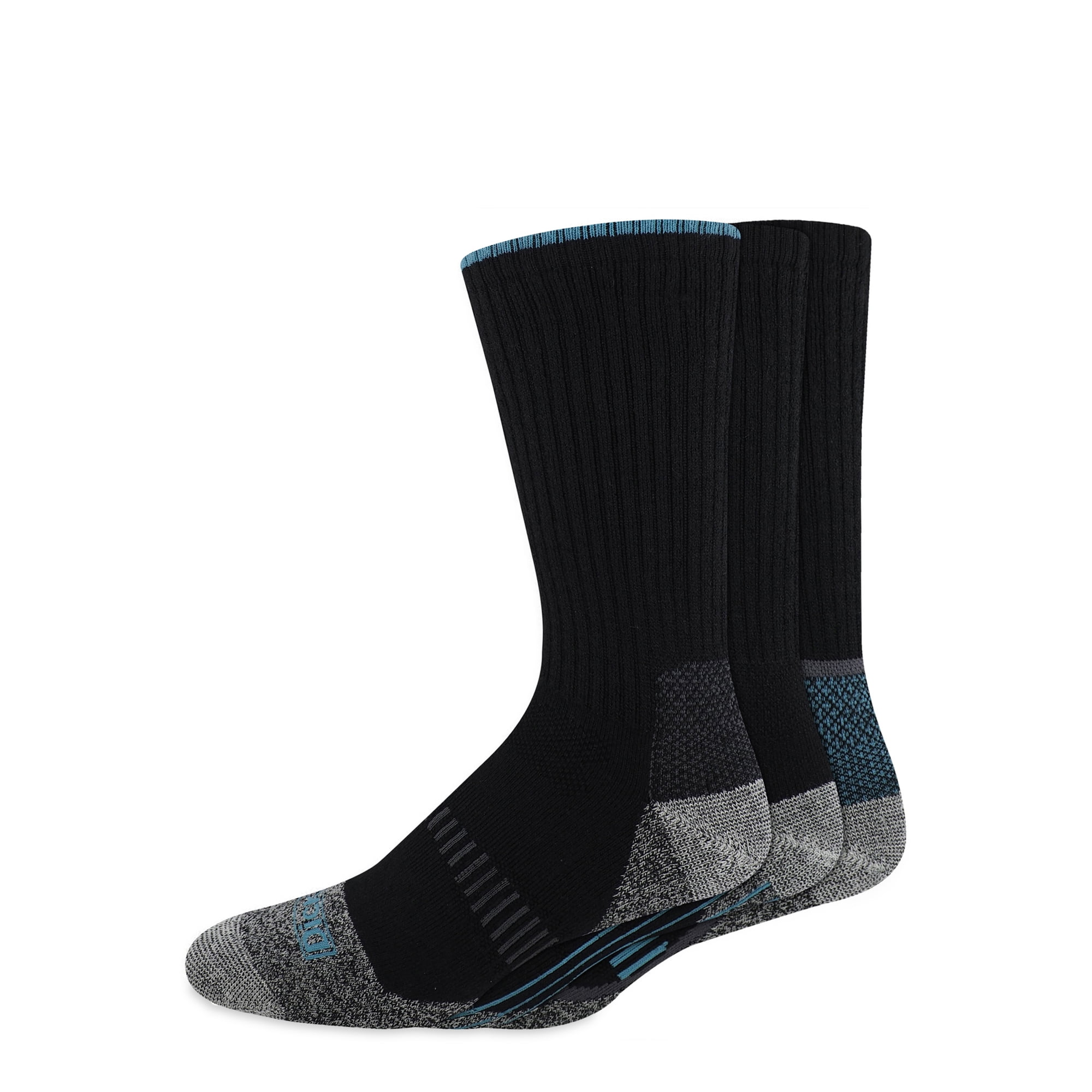

Anybody have a great, durable brand/model of base layers that you rely on?
Looking for a new a couple pairs (top+bottom), so long as they are highly durable.


For fairly cold weather, I've got a Carhartt J14 "Santa Fe" #14806, in black (discontinued). Nice coat, tough canvas exterior, warm quilted interior, with enough style to the look to be cool. A little big for me, but it allows layering or a thinner sweater, for the really cold days. Like it a lot.
View attachment 20573

 www.atsko.com


Fire resistant materials for a work jacket would be awesome...I've had 4 pairs of Carhartt FR pants they call PPE from 38 to 78 percent Kevlar. They will last twice as long as regular pants. The problem I had with my laest one is the wallet had a tendancy of falling out of my pocket. When they wore out I rendered them down to fabric and put them in storage. To my surprise they had black mold growing on them. I buy only pure Nomex or Kevlar now. I'm looking to try PBI or PBO which has replaced Aramids for firemen. There is also a pure carbon cloth sold under the CarbonX brand which is being used by race car drivers. There is also a Aramid Teflon fabric called beta cloth which they used in space suits in the 70's. As far as I can tell Aramids are simply a protein which should biodegrade and be environmently friendly. Nomex is wonderful stuff I'm surprised they don't make flashlights out of it.

Aramids are awesome. They are synthetic materials made in a lab and are definitely not biodegradable, however. They showed up in our firefighter bunker gear in 1984 and our chemical plant flame resistant work clothing in 1990. We used all of the materials you mentioned, except for the carbon fiber we finally saw in flame resistant hoods in about 2002. The PBI and Carbon Blends wick sweat much better in hot weather and are much more breathable and comfortable than Nomex or Kevlar Blends. I had the wonderful experience of putting a whole chemical plant into Nomex in Southern Louisiana in August! I was a seriously popular guy - everyone wanted to hang me. That was until we had a flash fire in one of our units three months later and the employee walked away with only two minor spot burns. The complaints stopped immediately and permanently.As far as I can tell Aramids are simply a protein which should biodegrade and be environmently friendly. Nomex is wonderful stuff I'm surprised they don't make flashlights out of it.
They are! They're nice and warm in the winter, too. I wear mine running errands outside of work as well.Fire resistant materials for a work jacket would be awesome...
Picked up a pair of REI's Merino 185 layers. Fairly lightweight stuff. 100% Merino wool. Ought to be good for temps in the ~28-48ºF range, give or take. Uncertain how durable they will be, thinner as they are.
And a pair of Duluth Trading's heavy-weight Noorvik layers. Polyester pile. These are suitable for much lower temps ... say, in the low teens and below. Have worn them a couple of times. Very capable.
Already have a mid-weight wool blend sweater, and a Carhartt jacket with quilted lining. Will look for a solid lighter-weight wool blend mid layer. With those in combination with the base layers, I can't see getting cold this winter.
Any discoloration?


 propetfootwear.com
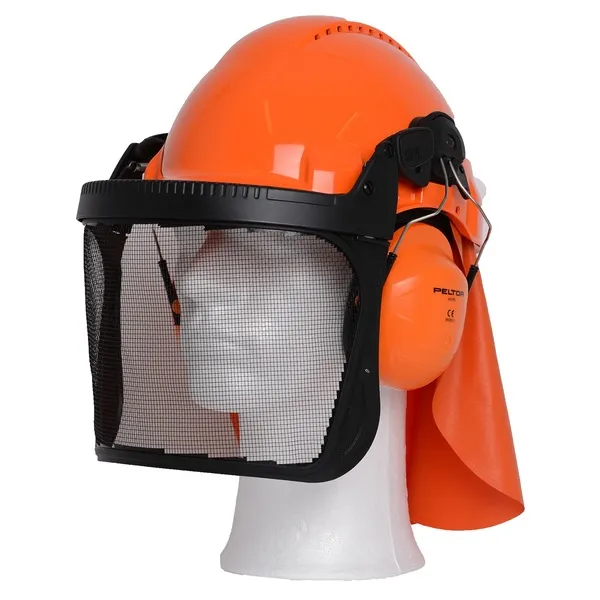
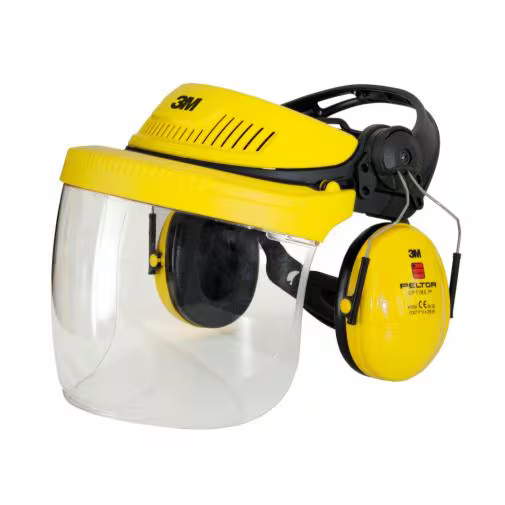


Thank you. Whether they have degraded or not, the ear protectors are some of the most basic I've ever seen. Looked more suitable for children, when using a Fisher-Price "My First Chainsaw". Didn't see a model number on them, but they looked like the 3M Peltor Optime I. Those are like, you buy a car but the sound dampening are optional extras, and you forgot to tick that box - the result is "where is all that noise coming from!?".As I understand it, it is the plastics that perish. So the earmuffs almost certainly will not afford the rated protection as the noise-damping foam will have degraded. Harder plastics such as the helmet shell itself will be less susceptible in some cases, but it really depends on the compound and manufacturing process.
If you are doing serious work that requires full head protection then go and buy something new and good quality, and enjoy the peace of mind.
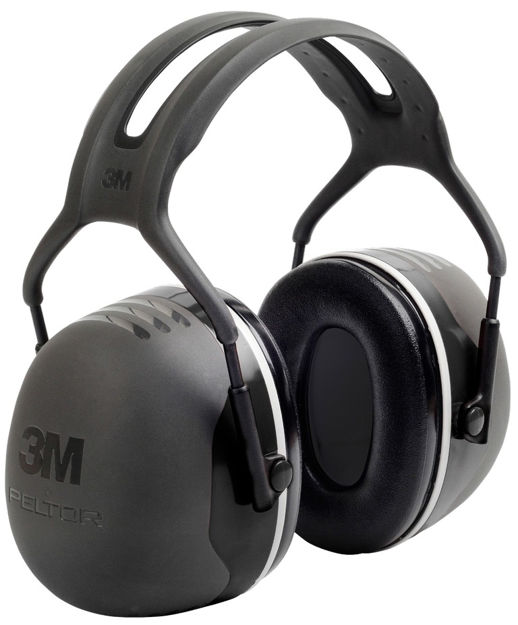
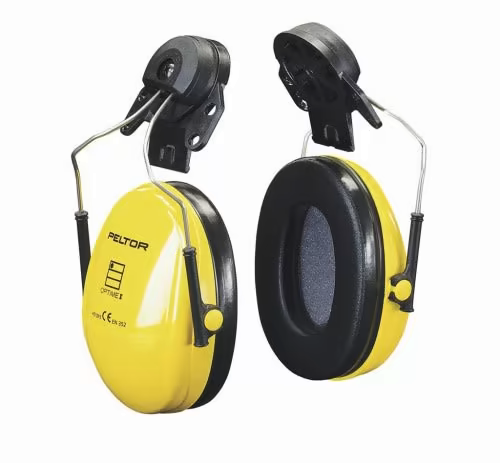
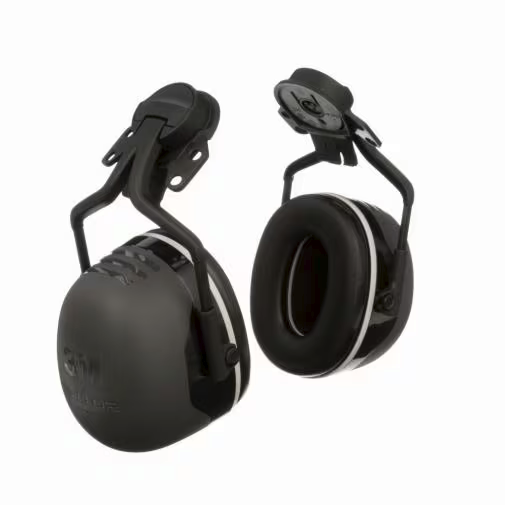
I had a look at it, and I did find a molded date. Not sure if it's the manufacturing date or best before, but it read "15" (year) and "4" (month).I was curious about this myself, and a little bit of searching suggests that most conservative recommendations seem to run about 3 years (or replace sooner, if sustaining any significant impact, of course)
There is supposed to be a manufacturing date molded somewhere into the helmet itself, did you find that on yours ?


![Pampers Sensitive Baby Wipes, Clinically Proven, Fragrance Free, Unscented, Water Based, Hypoallergenic, Multi-Use, Hand Wipes 336 Wipes Total (6X Flip-Top Packs) [Packaging May Vary]](https://m.media-amazon.com/images/I/41KLBHu9CAL._SL500_.jpg)