Work wear

Candle Power Forums

Help Support Candle Power:

Found my pair of finger-less Alpaca wool gloves the other day. Glad I did! NYC weather masquerading as Alaska weather!
 
+

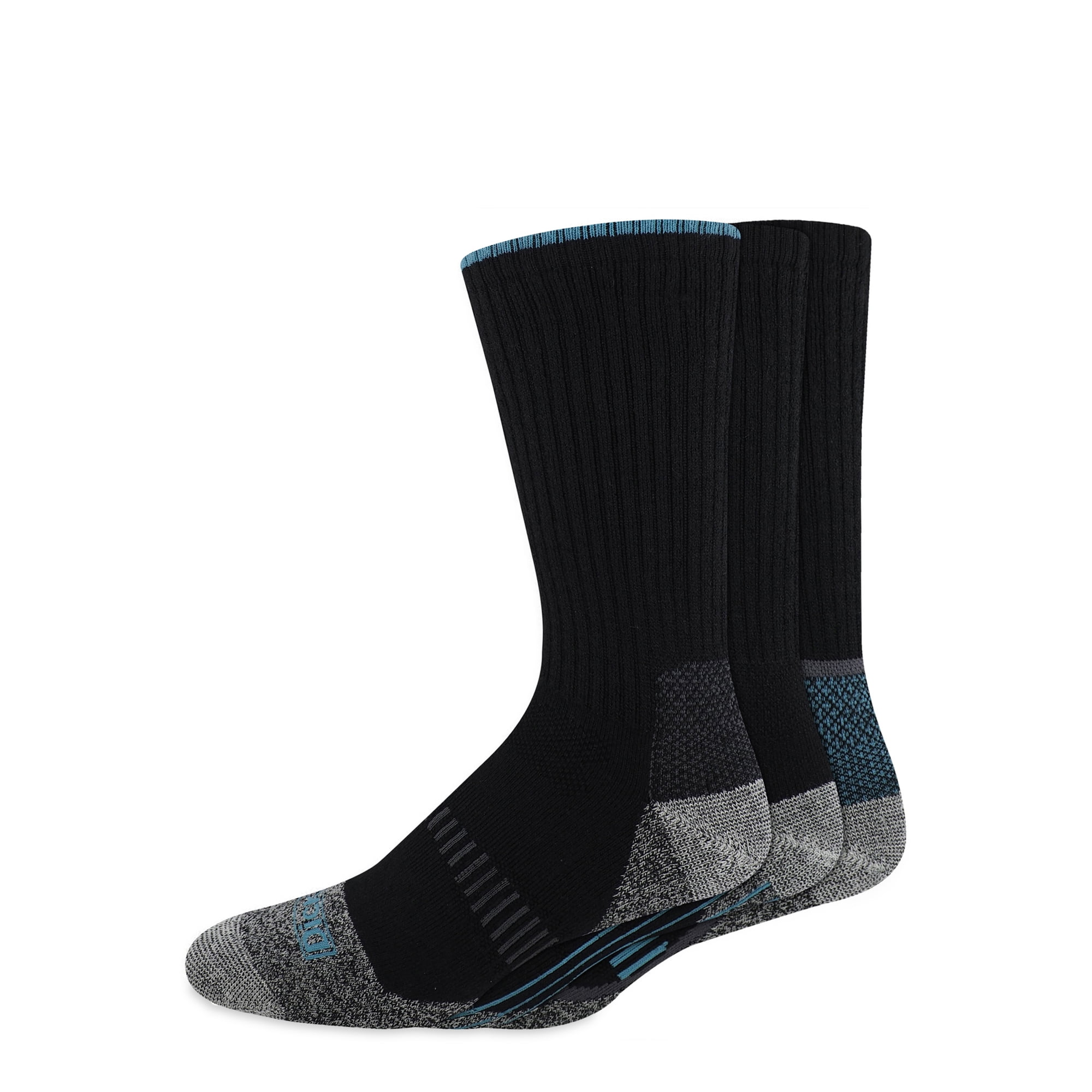
Not necessarily work wear, but just a solid pair of socks.
Picked up a 3-pack* from Walmart while back and have been enjoying them alot.
Curiously warm and comfortable for only being medium thickness
=== Interesting blend: 46% Polyester, 31% Acrylic, 13% Nylon, 8% Merino Wool, and 2% Spandex.

1765933265614.png


* $16.00

 
❓

Anybody have a great, durable brand/model of base layers that you rely on?

Looking for a new a couple pairs (top+bottom), so long as they are highly durable.

I just learned something new. If I was working outdoors at night. I'd give this recommendation a shot (top and bottom).


This is the link to merino wool mesh baselayer: BRYNJE Norway
 
One reason that I have avoided wool is due to several things:

1. Initial high expense.
2. Difficulty in sourcing in local retail stores (Not a lot of clothing stores near me.)
3. Expense of dry-cleaning.
4. Scarcity of dry cleaners.
5. Susceptibility to moths. I know, cedar and mothballs. As Pooh says, "Oh bother".
6. So many cheaper alternatives. Polar Fleece is popular for a reason.

I had forgotten about WigWam socks. Yeah, I'll have to check them out. I agree that SmartWool socks do seem to develop holes fast. I just thought that it was me. And for what they cost, you would think SmartWool socks would wear like iron and last for years and years.
 
For fairly cold weather, I've got a Carhartt J14 "Santa Fe" #14806, in black (discontinued). Nice coat, tough canvas exterior, warm quilted interior, with enough style to the look to be cool. A little big for me, but it allows layering or a thinner sweater, for the really cold days. Like it a lot.

View attachment 20573

Sprayed the Carhartt cotton duck jacket with a couple cans of the Atsko Silicone Water Guard product, a couple weeks ago. Sprayed until reasonably wet to the touch, on all the surfaces of the cotton duck material, then let it dry/cure for a week. Did two cans of the stuff.

It's been too warm since spraying it, but it should be significally better at shedding drizzle and lighter rain. Will make this an annual thing. Should have been doing it all along.

 
As an Amazon Associate we earn from qualifying purchases. Product prices and availability are accurate as of the date/time indicated and are subject to change.
I've had 4 pairs of Carhartt FR pants they call PPE from 38 to 78 percent Kevlar. They will last twice as long as regular pants. The problem I had with my laest one is the wallet had a tendancy of falling out of my pocket. When they wore out I rendered them down to fabric and put them in storage. To my surprise they had black mold growing on them. I buy only pure Nomex or Kevlar now. I'm looking to try PBI or PBO which has replaced Aramids for firemen. There is also a pure carbon cloth sold under the CarbonX brand which is being used by race car drivers. There is also a Aramid Teflon fabric called beta cloth which they used in space suits in the 70's. As far as I can tell Aramids are simply a protein which should biodegrade and be environmently friendly. Nomex is wonderful stuff I'm surprised they don't make flashlights out of it.
 
I've had 4 pairs of Carhartt FR pants they call PPE from 38 to 78 percent Kevlar. They will last twice as long as regular pants. The problem I had with my laest one is the wallet had a tendancy of falling out of my pocket. When they wore out I rendered them down to fabric and put them in storage. To my surprise they had black mold growing on them. I buy only pure Nomex or Kevlar now. I'm looking to try PBI or PBO which has replaced Aramids for firemen. There is also a pure carbon cloth sold under the CarbonX brand which is being used by race car drivers. There is also a Aramid Teflon fabric called beta cloth which they used in space suits in the 70's. As far as I can tell Aramids are simply a protein which should biodegrade and be environmently friendly. Nomex is wonderful stuff I'm surprised they don't make flashlights out of it.
Fire resistant materials for a work jacket would be awesome...
 
As far as I can tell Aramids are simply a protein which should biodegrade and be environmently friendly. Nomex is wonderful stuff I'm surprised they don't make flashlights out of it.
Aramids are awesome. They are synthetic materials made in a lab and are definitely not biodegradable, however. They showed up in our firefighter bunker gear in 1984 and our chemical plant flame resistant work clothing in 1990. We used all of the materials you mentioned, except for the carbon fiber we finally saw in flame resistant hoods in about 2002. The PBI and Carbon Blends wick sweat much better in hot weather and are much more breathable and comfortable than Nomex or Kevlar Blends. I had the wonderful experience of putting a whole chemical plant into Nomex in Southern Louisiana in August! I was a seriously popular guy - everyone wanted to hang me. That was until we had a flash fire in one of our units three months later and the employee walked away with only two minor spot burns. The complaints stopped immediately and permanently.
 
Picked up a pair of REI's Merino 185 layers. Fairly lightweight stuff. 100% Merino wool. Ought to be good for temps in the ~28-48ºF range, give or take. Uncertain how durable they will be, thinner as they are.

And a pair of Duluth Trading's heavy-weight Noorvik layers. Polyester pile. These are suitable for much lower temps ... say, in the low teens and below. Have worn them a couple of times. Very capable.

Already have a mid-weight wool blend sweater, and a Carhartt jacket with quilted lining. Will look for a solid lighter-weight wool blend mid layer. With those in combination with the base layers, I can't see getting cold this winter.

These two different layers are working wonders.

Am finding myself using the REI Merino 185 top+bottom fairly frequently. Not every day, but getting there. Works very well in temps from ~20-55ºF. Wicks moisture well, but isn't thick enough that I sweat noticeably, even at 55ºF. (Above that, it gets a bit warm with an overshirt or light jacket or sweater, though it's still fine if worn without another shirt or layer.) With judicious choice of other layers, it adds a nice bump in comfort. These are thinner, and I'm as yet uncertain how durable they will end up being. Am laundering them every 4th-5th wearing or so (on the 'delicate' cycle), and that seems to be sufficient.

As for the Noorvik layers, they've got some "oomph" to them. I get sweaty if it's anywhere near 32ºF, if used with even a thinner sweater or top/pant over the things. They've got some serious wicking ability, but not that much. These are best in low-teens, single-digits and below. Under a reasonable mid layer and the Carhartt quilted jacket, these have so far handled to nearly 0ºF quite easily. (Wind chill has been under -10F for a day or so, so far this season.) With a serious, strong-wicking mid layer and an overcoat, I'm sure they'll still be great at much colder temps. These things are much more solidly built, it seems. Ought to last a good long time.

Gotta love really decent "base" layers.

Happy camper, here. No more "Brr-rr-rrrrrr!" on frosty mornings.
 
Last edited:
Any discoloration?

None, no discoloration. Not with the Atsko Silicone Water Guard spray.

Though, I have yet to take it out in rainy weather. It's still just the start of winter, so likely there will be a few days where I can try out the new waterproofing.

Jacket is a standard cotton duck Carhartt, color=black, looking a tad worn and outdoorsy like they tend to do after a few seasons. The black color to the duck cotton material doesn't seem to have darkened much, but perhaps it has got a slightly less-obvious "outdoorsy" look to it. It looks a tiny bit refreshed. If I were to guess, I think it's more that the silicone spray created a sort of more-uniform matte layer on the cotton, as opposed to actually altering the color of the material.

Have a snap-on hood for it, too. But didn't spray it this time around. Before next winter arrives, I'll put another 2-3 cans of the stuff on the whole jacket, including the hood.

The day I got the jacket, about 8-9 years ago, the black color was a bit more uniformly black. It's clearly weathered a little. I don't use the jacket but when it's frigidly cold, sometimes into the teens but not often. A total of <20 days annually, often fewer than that.
 
Last edited:
This morning was single-digit temperatures, again, down to about 5ºF. Wasn't quite zero, but for whatever reason it was a bit bone-chilling today.

With this combination of clothing, I was reasonably warm:
  • Jacket -- Carhartt quilted cotton duck jacket;
  • Base layer top+bottom -- Noorvik poly base/mid layers, from Duluth Trading;
  • Extra base layer -- could have, but didn't feel the need: Merino 185 base layers from REI, against the skin;
  • Balaclava -- Noorvik balaclava, from Duluth Trading;
  • Beanie hat -- a generic acrylic beanie (Tractor Supply, IIRC);
  • Socks -- Coolerino merino wool blend (34%) socks, from Duluth Trading.

But could have been a bit warmer. So. Have an order coming from Rothco for a "watch cap" beanie of 100% merino wool; merino wool blend glove liners; along with an order from Railroad Sock Company for a handful of their merino wool blend (78%) socks.
 
Last edited:
Propet Stability Fusion walking shoes

While not "work" wear as such, I have found these to be wonderfully comfortable. They're of a "trainer" format.

Looked seriously at them due to their coming in widths up to 5E. Drew has a few models in the 6E or 8E widths. But these Propet shoes fit me so well.

Definitely worth considering, for those seeking shoes with a wider and taller forefoot area.

👍 👍


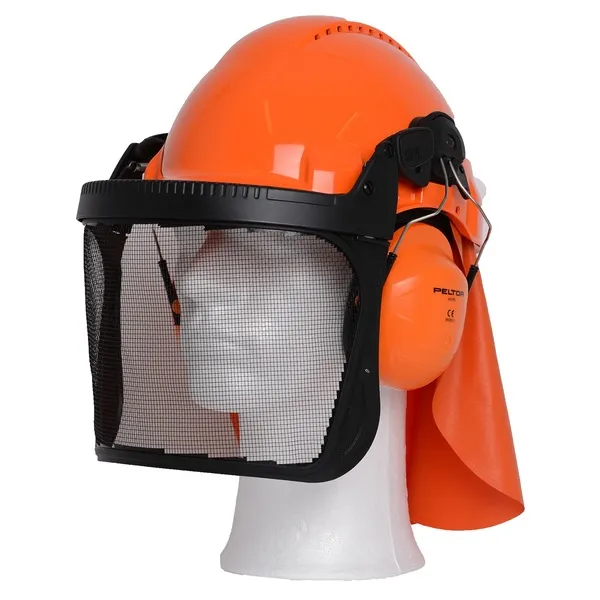
I need a recommendation here - I just found an old forestry protective helmet during a spring cleanup, and I wonder if it is still safe to use? Couldn't find a specific "best before"-date, but it's at least 8 years old (I know these things, like car tyres, is to technically be considered perishables).

Used twice back when it was new, no visible dents or scratches, otherwise stored indoors in the card board box it came in.

1781684424767.png


I will be doing some light forestry, if not this year, then next year, and I would like a helmet I can trust protecting my head if a thick branch bonks me.

If I should throw it away and buy a new one, please tell me. I am amenable, I don't shirk on the personal safety when I do serious work.
I also do have a different, brand new helmet if need be. I am not a regular chainsaw wielder, so I don't know if the neck cover is something I would miss.
1781684740291.png
 
My recently purchased Oregon chainsaw protective helmet came with hearing protection and a full face shield. But no neck cover. I've seen other YouTubers wearing similar set-ups while using chainsaws. None used neck covers. But protective gear that's eight years old? I personally wouldn't risk it. I'd consider asking a neighbor if they might want it. But only after telling them about how long it sat. Full disclosure. If they still want it, okay; fair enough.
 
As I understand it, it is the plastics that perish. So the earmuffs almost certainly will not afford the rated protection as the noise-damping foam will have degraded. Harder plastics such as the helmet shell itself will be less susceptible in some cases, but it really depends on the compound and manufacturing process.

If you just want some general face protection, the mesh won’t have degraded and will still work perfectly, and you can use earplugs to ensure hearing protection.

If you are doing serious work that requires full head protection then go and buy something new and good quality, and enjoy the peace of mind.
My 2 cents’ worth. 🙂
 
I was curious about this myself, and a little bit of searching suggests that most conservative recommendations seem to run about 3 years (or replace sooner, if sustaining any significant impact, of course)

There is supposed to be a manufacturing date molded somewhere into the helmet itself, did you find that on yours ?

And on a found item, no way to know if it might have already been damaged.

That would be a "no" for me.
 
As I understand it, it is the plastics that perish. So the earmuffs almost certainly will not afford the rated protection as the noise-damping foam will have degraded. Harder plastics such as the helmet shell itself will be less susceptible in some cases, but it really depends on the compound and manufacturing process.

If you are doing serious work that requires full head protection then go and buy something new and good quality, and enjoy the peace of mind.
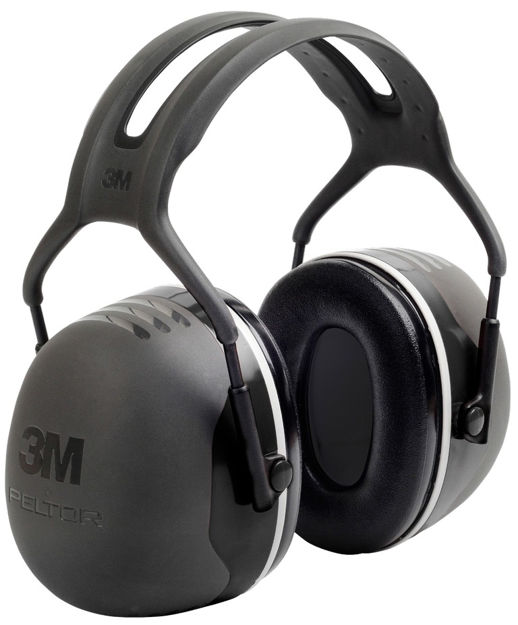
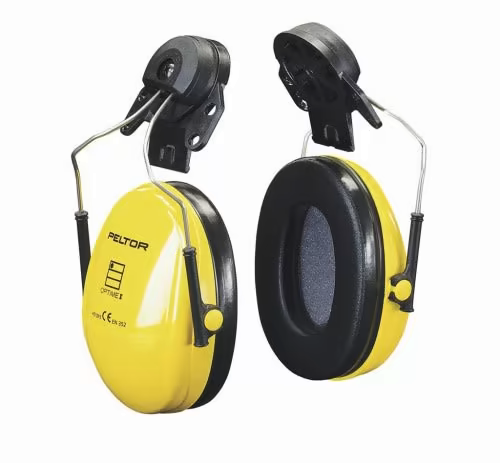
Thank you. Whether they have degraded or not, the ear protectors are some of the most basic I've ever seen. Looked more suitable for children, when using a Fisher-Price "My First Chainsaw". Didn't see a model number on them, but they looked like the 3M Peltor Optime I. Those are like, you buy a car but the sound dampening are optional extras, and you forgot to tick that box - the result is "where is all that noise coming from!?".

And the ear protectors looked non-removable on this particular helmet. Didn't see a brand name either, but the design is definitely 3M.

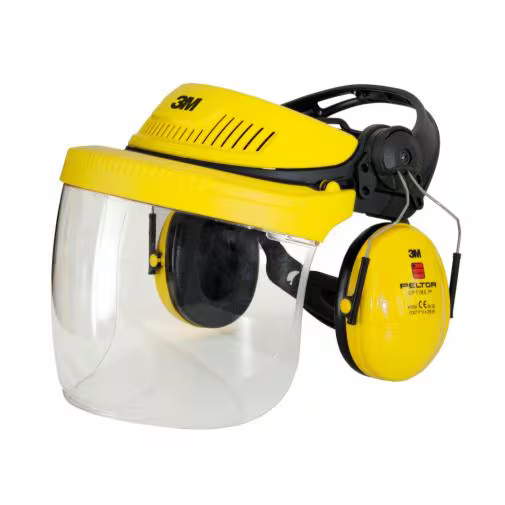
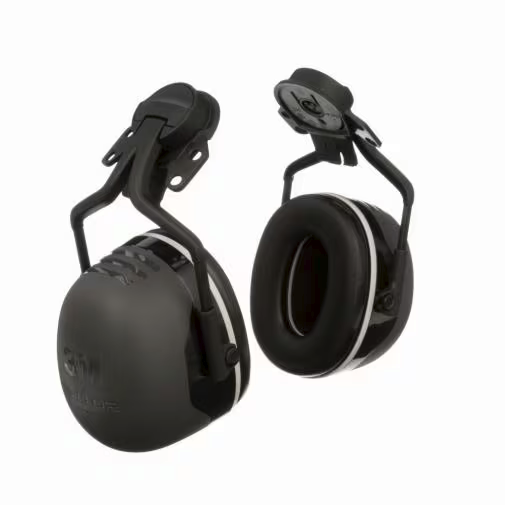
Having neglected personal safety earlier and gotten away with it through sheer luck, or used what I would now consider gear of inadequate quality, I have recently invested quite a lot into new and better gear. Goggles (3M 3700), ear protectors (3M X5), visor (3M G500, yellow helmet shown above), helmets (3M G3000), face masks + filters (3M 7502 with FFP3 particle + and / or ABEK1 gas filter) and a lot of different gloves (much more than shown here).

Masks, filters and helmets all stored indoors and in separate, certified UV-resistent plastic boxes.

In the last 2 years, I have bought 5 pairs of 3M Peltor X5, plus 2 pairs of X5E for my 2 other helmets. And gotten rid of everything else I had, so all the ear protectors are the same type and of the same date.


1781754766149.png
1781754712425.png
1781754742122.png

^ 3M X5 - 3M Optime I - 3M X5E

Whether it's for serious work or not, I do enjoy the peace of mind when wearing proper protective gear for personal safety, just in case. 🙂
I grab a pair of X5's even when all I'm doing is using a 12V screwdriver. Or a vacuum cleaner. Or even just a hammer or hand saw. While knowing I can grab the same pair if mowing the lawn, or using a mitre saw.

I was curious about this myself, and a little bit of searching suggests that most conservative recommendations seem to run about 3 years (or replace sooner, if sustaining any significant impact, of course)

There is supposed to be a manufacturing date molded somewhere into the helmet itself, did you find that on yours ?
I had a look at it, and I did find a molded date. Not sure if it's the manufacturing date or best before, but it read "15" (year) and "4" (month).

Decision made, I'll get a new helmet for this. Thanks, everyone! 👍
I guess I can still use the helmet when using loppers or other manual tools when working with stuff above me.
 
Last edited:
Back
Top