Fuzzywuzzies
Enlightened
- Joined
- Aug 18, 2019
- Messages
- 330
Nice!!! 



Thanks, I expected as much. Especially since this will only be an at-home solution, and not a dedicated room, made for purpose. Though I will be having a fan (wall mounted bathroom fan) right in front of me.Oh! Absolutely, full face-mask.
Sorry for the wait. Last 48 hours were unexpectedly time-consuming. Haven't posted on CPF since Monday night.Thanks, I expected as much. Especially since this will only be an at-home solution, and not a dedicated room, made for purpose. Though I will be having a fan (wall mounted bathroom fan) right in front of me.
Honestly, whenever I use any tools that accidental mishandling could lead to life-long injury or long-term injuries, I go overboard on safety gear. Plus, certain power-tools, I just refuse to use. Technically soldering doesn't involve a power-tool per se, but the heat that is generated is dangerous. Badly burned fingers would be the biggest risk. Still, a blob of solder that just onto the face.... Rare, but can happen. Goggles are a minimum for eye-protection. Still, I don't need a disfiguring scar on my face.But do you have any more details or additional context on that? What I should be aware of, or potential risks when soldering?
As noted above, just extra cautionary facial protection. That's the only real difference.Or put differently, what are the extra benefits of using a full face-mask with filters, compared to a half-mask with the same filters?
In my experience, no. Though that is a BIG one, obviously.Don't inhale the fumes, and they will irritate the eyes, that I already know and understand, but is there anything else?
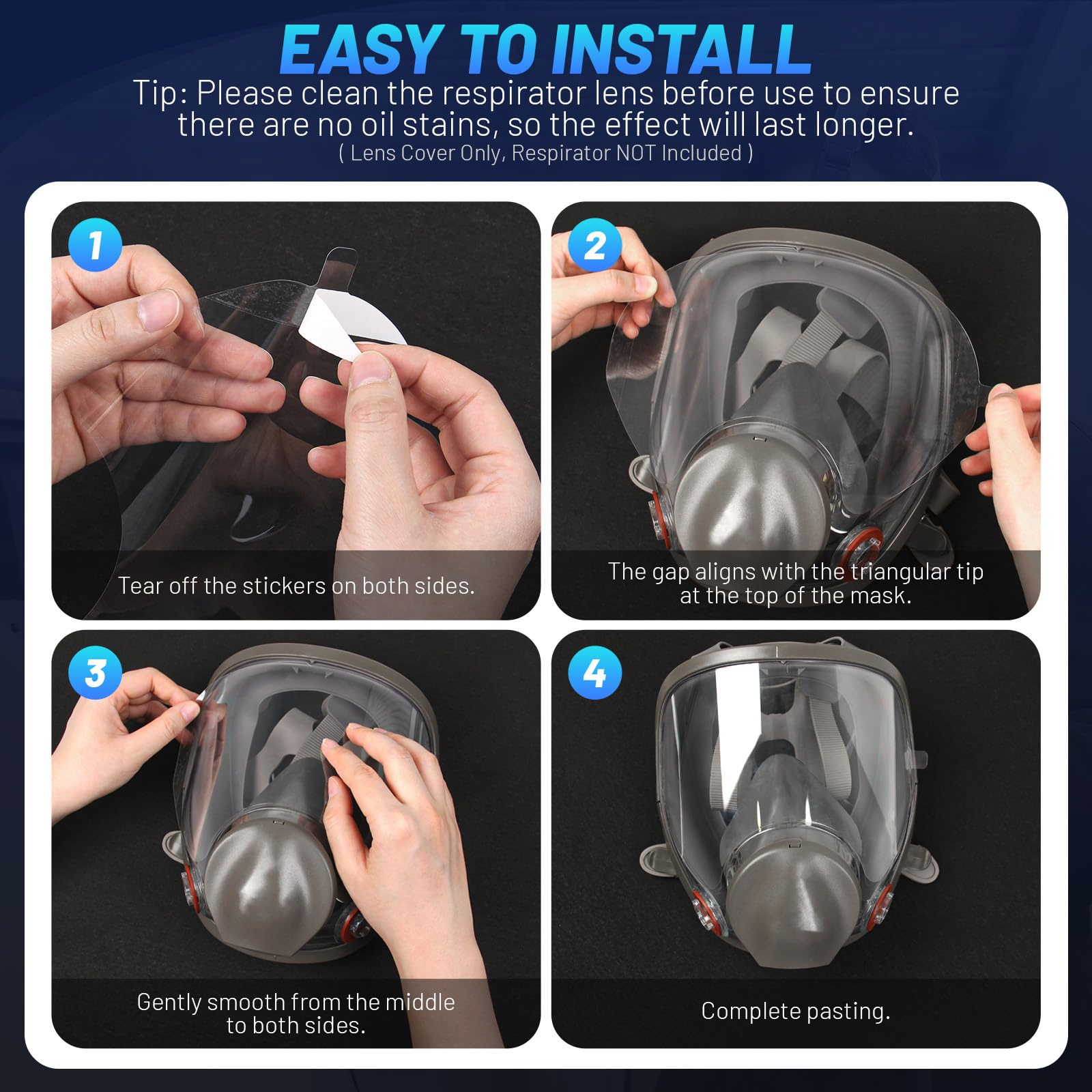
I would rather that you see what your doing, properly. So in your case, definitely better off not using the full-face shield.Not trying to argue against getting full-mask, but I use and need to use glasses, and from what I find, glasses wont fit properly with the full mask and break the seal. There is a lens kit (as shown in the video below), but that costs as much as the mask itself, with the cost of the lenses themselves on top of that.
Yup, both. Treat any "minimum" recommended gear as a starting point. If you can afford better gear, buy the better gear.I haven't yet used my gas filters, but they are better rated than what is required or "minimum recommended" for soldering, and I have better rated particle filters to place on top (I know I need to use both).
Again, I can only go by my personal experiences. Granted, I don't do soldering for a living. I don't even do it every month. If someone with far more experience says "No." Seriously consider their advice. Will say, there have been a couple of times in my life where I did something that a so-called Pro swore couldn't be done. Did it right in front of them. The looks on their faces were priceless.I am asking because I found this video:
"Can You Wear Glasses Under a Full Face 3M Respirator? NO!! | Test Shows How Bad It Is."
Again, in your case; yes. Pointless. But I'll still recommend a full-face mask to others.Which basically makes the 3M 6800 (the one I consider, and the exact one shown in the video), 200 USD full-face mask pointless since I wear glasses.
No worries, friend, though I did wonder whether you had forgotten about it.Sorry for the wait. Last 48 hours were unexpectedly time-consuming. Haven't posted on CPF since Monday night.
Honestly, whenever I use any tools that accidental mishandling could lead to life-long injury or long-term injuries, I go overboard on safety gear. Plus, certain power-tools, I just refuse to use. Technically soldering doesn't involve a power-tool per se, but the heat that is generated is dangerous. Badly burned fingers would be the biggest risk. Still, a blob of solder that just onto the face.... Rare, but can happen. Goggles are a minimum for eye-protection. Still, I don't need a disfiguring scar on my face.
As noted above, just extra cautionary facial protection. That's the only real difference.


Hell yeah, reason why I have been spending heavily into personal protective equipment over the past 2 years. For one, I didn't know the age of what I had - didn't even know a lot of such gear have an expiration date, and when I learned that and didn't find anything on what I had, a lot found its way into the thrash.Yup, both. Treat any "minimum" recommended gear as a starting point. If you can afford better gear, buy the better gear.
Again, I can only go by my personal experiences. Granted, I don't do soldering for a living. I don't even do it every month. If someone with far more experience says "No." Seriously consider their advice.
I have a friend who years ago was a Chemistry teacher at a secondary school. He was explaining to the kids the importance of safety glasses when a blob of something hot hit his eye. His trip to hospital in an ambulance was all the lesson the kids needed.Hell yeah, reason why I have been spending heavily into personal protective equipment over the past 2 years. For one, I didn't know the age of what I had - didn't even know a lot of such gear have an expiration date, and when I learned that and didn't find anything on what I had, a lot found its way into the thrash.
Second, the quality of the gear I had - gloves in particular (but also ear protectors and goggles). For the longest time, I thought a glove is a glove, and went with whatever was the cheapest. Now I have checked whatever is best for the task I intend to do, including looking for sertifications - and as that has required like 7 different types of gloves, well, that is what I bought (cuts, contact heat, sparks, impact, vibration etc.). And 90 % of the gloves I had has also found their way into the thrash. And good riddance, I never liked the majority of them from the start.
Regarding soldering though, I wanted to ask here, because over half the replies on Reddit suggested "you don't need any safety gear when soldering." The ones with actual experience were in a clear minority, but with little details on the type of gear they recommended (I got the sense they only wished they had used proper gear earlier), so I wanted some more opinions as well.
Former broadcast engineer / live production engineer here... and honestly, we didn't use any personal protection for any fine (circuit board) work at the workbench. If the spirit moved us, safety glasses, especially when having to solder in confined spaces or unusual angles. We always used lead solder. The non-lead stuff just doesn't work as well.I figured this was the closest relevant thread for this.
Personal safety gear for soldering - do any of you use any such gear when modding flashlights and the like?
I am currently in the process of clearing and later painting a room where I want to make a soldering station, but I know from high school I am very sensitive to such fumes and gases.
Even when in a dedicated, well ventilated space with dedicated, enclosed stations with no active soldering or welding going on (basically when we just got a tour of the area), I got an intense headache in less than an hour. No one else reacted, but when I got outside again, it disappeared. The teacher was surprised, but said some people just are that sensitive.
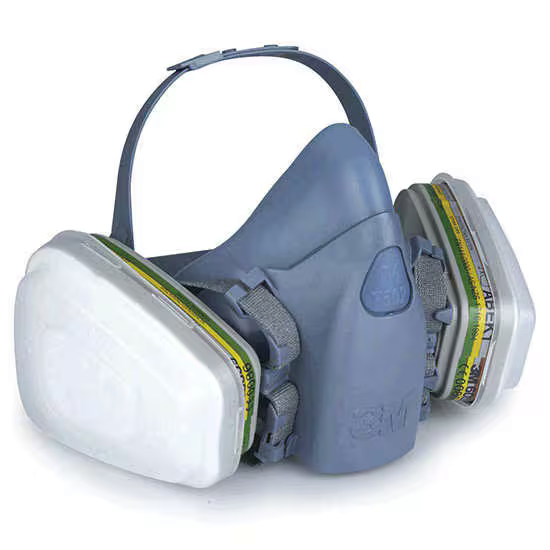
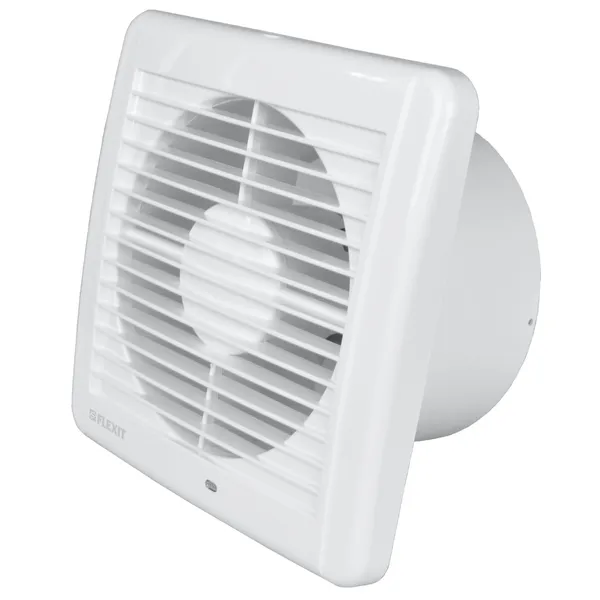
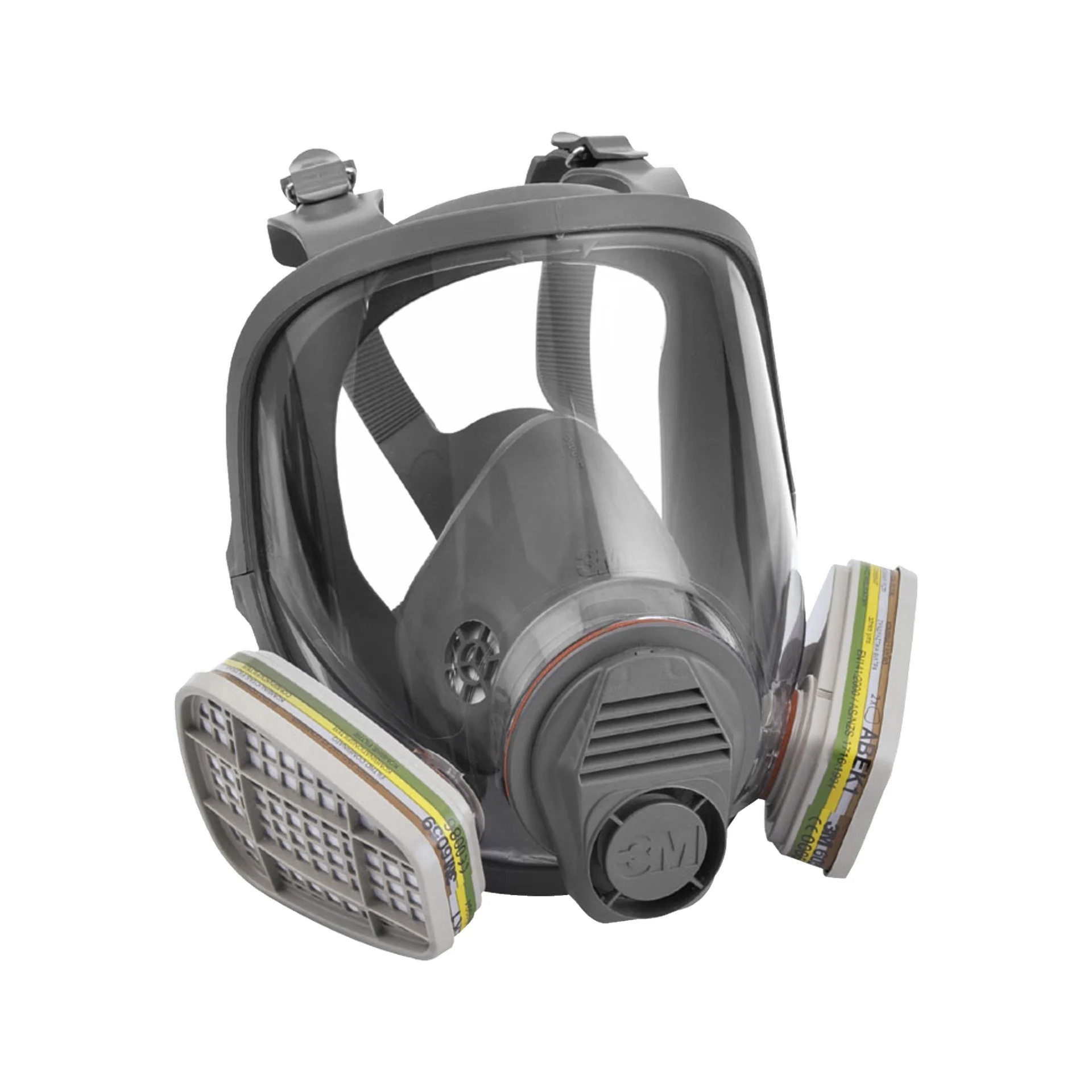
I just ordered a 150 mm wall fan (Flexit 150 B) intended as active ventilation, and I already have a 3M 7802 half-mask with 6059 ABEK1 gas filter and 5935 P3 particle filter.
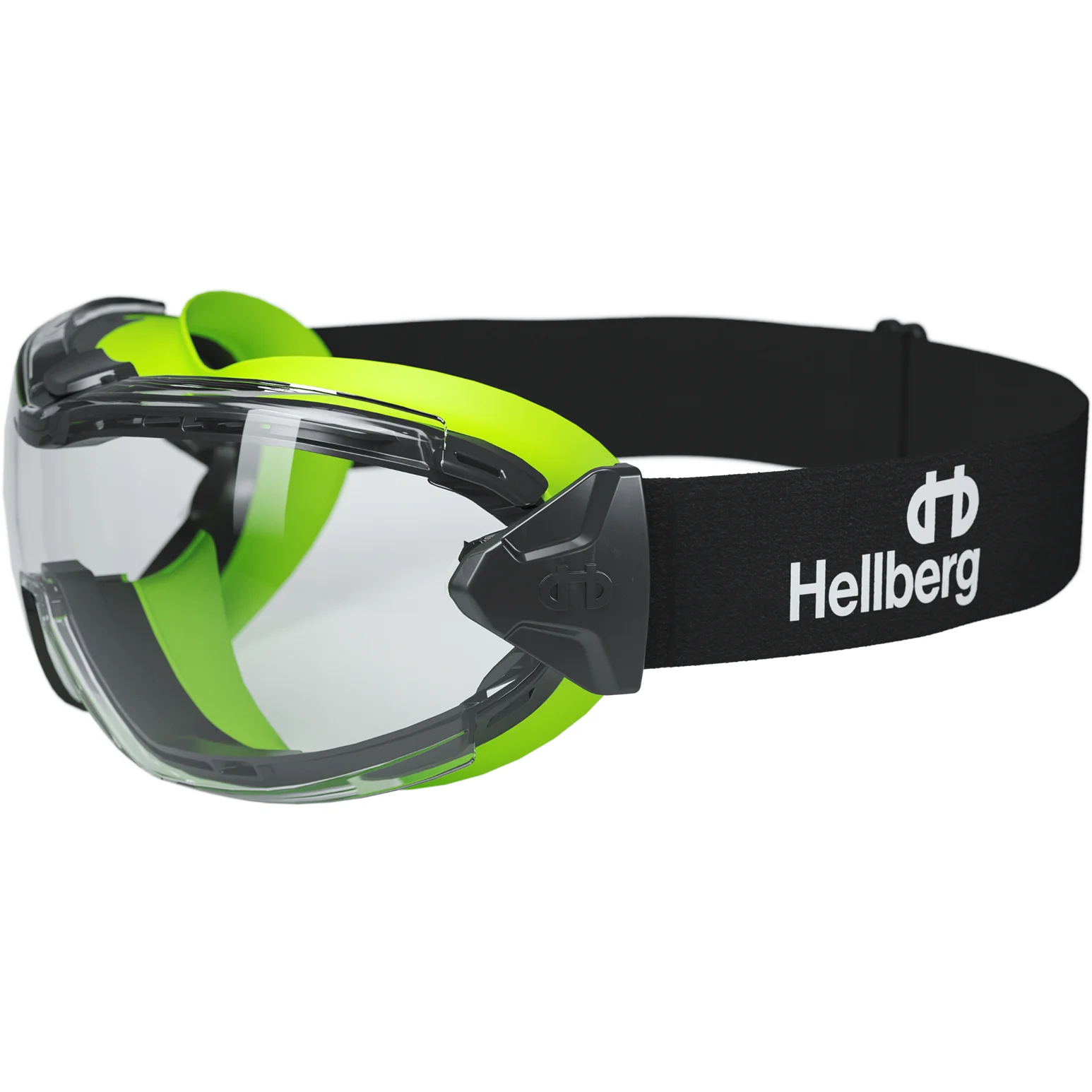
I also have face-fitting safety goggles.
Now the question is, should this be enough for very sporadic use, or should I at least consider a full face mask, like the 3M 6800?
I have no details regarding which flux, solder, soldering iron or anything I may use yet.

Sounds like what we had at school. It's been 26 years so I've forgotten almost everything, but as I recall, the soldering stations had separate exhaust fans at each station, with a piece of duct on a swivel arm we could move around for the best efficiency. I am wanting to install something similar here at home. Just ordered a 150 mm bathroom wall fan that I intend to install at a suitable height.That said, ventilation was key. Each workbench had a small fan with carbon filter on the intake to blow the fumes away from you and capture some of it. We had a couple of workbenches with small flexible ducts (dryer vent) which were connected to extractor fans to move the fumes outside the building. These were the desks we'd use when it was more than just a quick component swap, or if we had time. Realistically, a decent 120mm computer fan connected to a duct hanging out the window would be more than sufficient as long as it's intake, or a duct is near the soldering work.
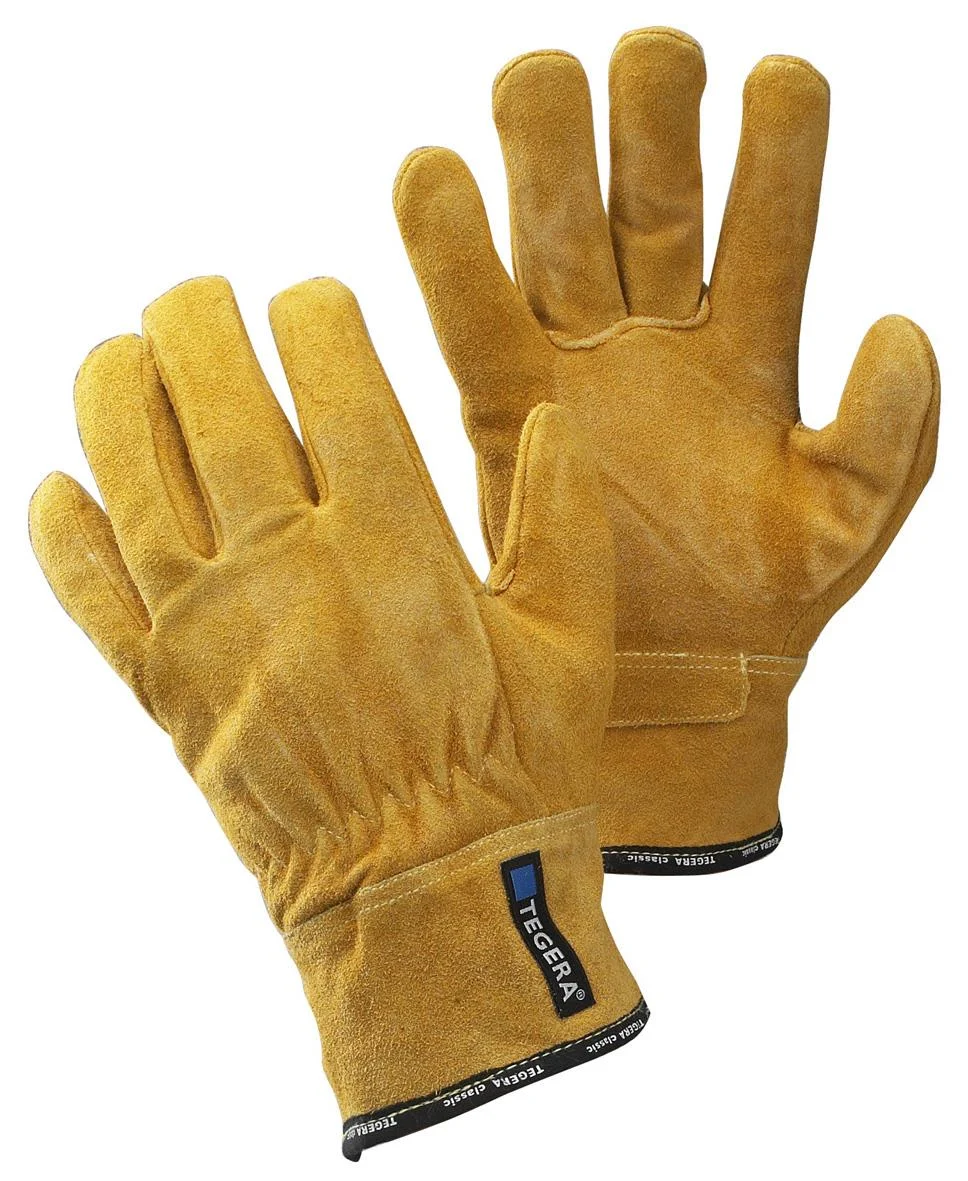
If you decide to use gloves, you need to find very skin-tight, fire retardant gloves. From my experience, none of the disposeable gloves out there are good enough. Not even remotely! The welding gloves you have sound good. But if wearing them makes it hard to hold onto what you're soldering, that becomes another issue.I have been thinking about gloves - and I do remember we didn't use anything at school (didn't use any facemasks at all either, when doing the introduction to solder, from what I recall - only wore protective goggles). Is disposable nitrile gloves really enough against the hot solder? Already have fire-retardant gloves (Tegera 17 welding gloves) I intend for use with an angle grinder.
No offense intended. Sounds like you need to do more research before tackling any remotely serious project. When I decided I wanted a chainsaw, you'd be amazed how much research I did, how much time I took before even buying mine.I really have no idea about this. From what I am told, I would want at least a 50W soldering iron, with a resting station, but I have no idea what that means in terms of how hot things get. Or what solder I should use - or even everything I want to do. Making more permanent 12 VDC connections would be one thing, with heat shrinks.
Agreed. One of those would be too powerful and dangerous in my hands. Difference between hugging a tiny lion cub born in a zoo who is in a playful mood -vs.- trying the same on a full-grown lion born in the wild who is hungry and angry. My "under-powered" electric, battery-operated chainsaw with the stubby 10" bar is good enough for my needs and physical ability. But I'm still going in decked out in all of the same safety gear as that hangry adult lion.I know what you mean about not taking risks - I may still be at the age where I take risks, but I like to be sufficiently protected to make it calculated risks. For me though, a petrol chainsaw is the one tool I don't want to use. Not unless I'm clad like a medieval knight, in full plate steel.
Unfortunately, that's how fast a tragedy can happen with chainsaws. Perfect example why I refuse to use a modern-day one without a chain-brake. Very recently, along with Ryobi's 18v. battery platform, I also standardized on Bauer's 20v. battery platform as well. If Ryobi doesn't have a properly designed version of a tool that I want, I then look at Bauer's offerings. Usually if a comparable Ryobi power-tool is just too expensive, I'll go with the cheaper Bauer offering of the same tool.I've used one twice, and at the end of that second time, well, I don't care how close I was or not - even with steel toed shoes and chainsaw protective (filled with fibres) pants, it felt too close for comfort as I pressed the trigger (saw was already idling) and my left hand suddenly slipped off the handle bar. Losing balance from the startle, I was unable to hold the saw with one hand and it barreled down towards the ground (and my foot).
I hadn't noticed part of my glove had gotten very slippery from touching something right before the incident. When I had regained control, I pushed the chain break, put the saw down and said I was done. We were two people, each with our own saw, clearing an area around our family cabin. It all happened so fast, it really put the scare in me.
EXACTLY!Damn, throughout writing this, I suddenly had that thought of "I'll try using what I have, and see how it goes" - eh, that's like how permanent damage happens 101.
That's where expired safety gear belongs. Human body parts don't grow back. You did the right thing.Hell yeah, reason why I have been spending heavily into personal protective equipment over the past 2 years. For one, I didn't know the age of what I had - didn't even know a lot of such gear have an expiration date, and when I learned that and didn't find anything on what I had, a lot found its way into the thrash.
A lot of the times, the cheapest option that gets the job done is perfectly fine. But yeah, you figured out something that few folks do. Sometimes you end up wasting money on the cheap stuff, then buy the good stuff later on. Gloves?....Second, the quality of the gear I had - gloves in particular (but also ear protectors and goggles). For the longest time, I thought a glove is a glove, and went with whatever was the cheapest. Now I have checked whatever is best for the task I intend to do, including looking for sertifications - and as that has required like 7 different types of gloves, well, that is what I bought (cuts, contact heat, sparks, impact, vibration etc.). And 90 % of the gloves I had has also found their way into the thrash. And good riddance, I never liked the majority of them from the start.
Oh my God! Never ask for advice on anything but how to troll others online, from Reddit! Guaranteed, over half of those replies wanted you to get injured.Regarding soldering though, I wanted to ask here, because over half the replies on Reddit suggested "you don't need any safety gear when soldering." The ones with actual experience were in a clear minority, but with little details on the type of gear they recommended (I got the sense they only wished they had used proper gear earlier), so I wanted some more opinions as well.
Several of the proper gloves I have bought over the past 2 years are Milwaukee. VERY happy with ALL of them![...] bought a pair of very NOT cheap Milwaukee work gloves. Owned those for years now. They are worth every penny!
Oh my God! Never ask for advice on anything but how to troll others online, from Reddit! Guaranteed, over half of those replies wanted you to get injured.

Heh, I'm already ahead of you (unless you meant, some more gloves for you?) - along with a pair of Helly Hansen 71374 high-visibility winter jackets, I also ordered a triple-pack of Tegera 7775.Now to take a closer look at that link, and perhaps add a couple of more pairs of gloves.

Thank you. And did they look like good, quality clothes to you?Snickers Jacket 1981 = 537.50 British Pounds Sterling.
Snickers Pants 6580 = 449.08 British Pounds Sterling.

Actually yes, they looked very good from the pics.Thank you. And did they look like good, quality clothes to you?
Honestly, I doubt you'll be successful in that endeavor.I am asking, because...I am trying to talk myself out of buying both pieces for 259 GBP (348 USD). Add another 15 USD or so for shipping.
Same store where I ordered the Tegera gloves and Helly Hansen jackets above.
I agree. The Outside world in general isn't worth visiting. (Not even joking.)I already have two proper Snickers winter pants (6619 and 6639, latter is the hi-viz version), which more than does the job of keeping me warm when I'm outside in a snowstorm and clearing the driveway. And three Timbra insulated winter jackets. -20°C (-4°F), plus wind factor, is literally a breeze when I'm dressed up in what I already have. Any colder than that, and I have no business being outside at all.
What is this odd word you speak of? "Need." Seems strange to me.To be perfectly honest, I mostly want to buy them simply just to own clothes worth that much, if that even makes sense. 986 GBP clothes at like 75 % off - even when not needing them, there comes a time when a purchase is a no-brainer. And my paycheck arrives today.
...Except I really don't need them.

You're not helping me, brother! Now I want to buy them even more! ^^Actually yes, they looked very good from the pics.
I spoke (typed) too soon on what gloves I had for use with the angle grinder. I thought I had Tegera 17 (left), but the ones I have are Hestra Pro 73760 Kobolt FR (right).If you decide to use gloves, you need to find very skin-tight, fire retardant gloves. From my experience, none of the disposeable gloves out there are good enough. Not even remotely! The welding gloves you have sound good. But if wearing them makes it hard to hold onto what you're soldering, that becomes another issue.
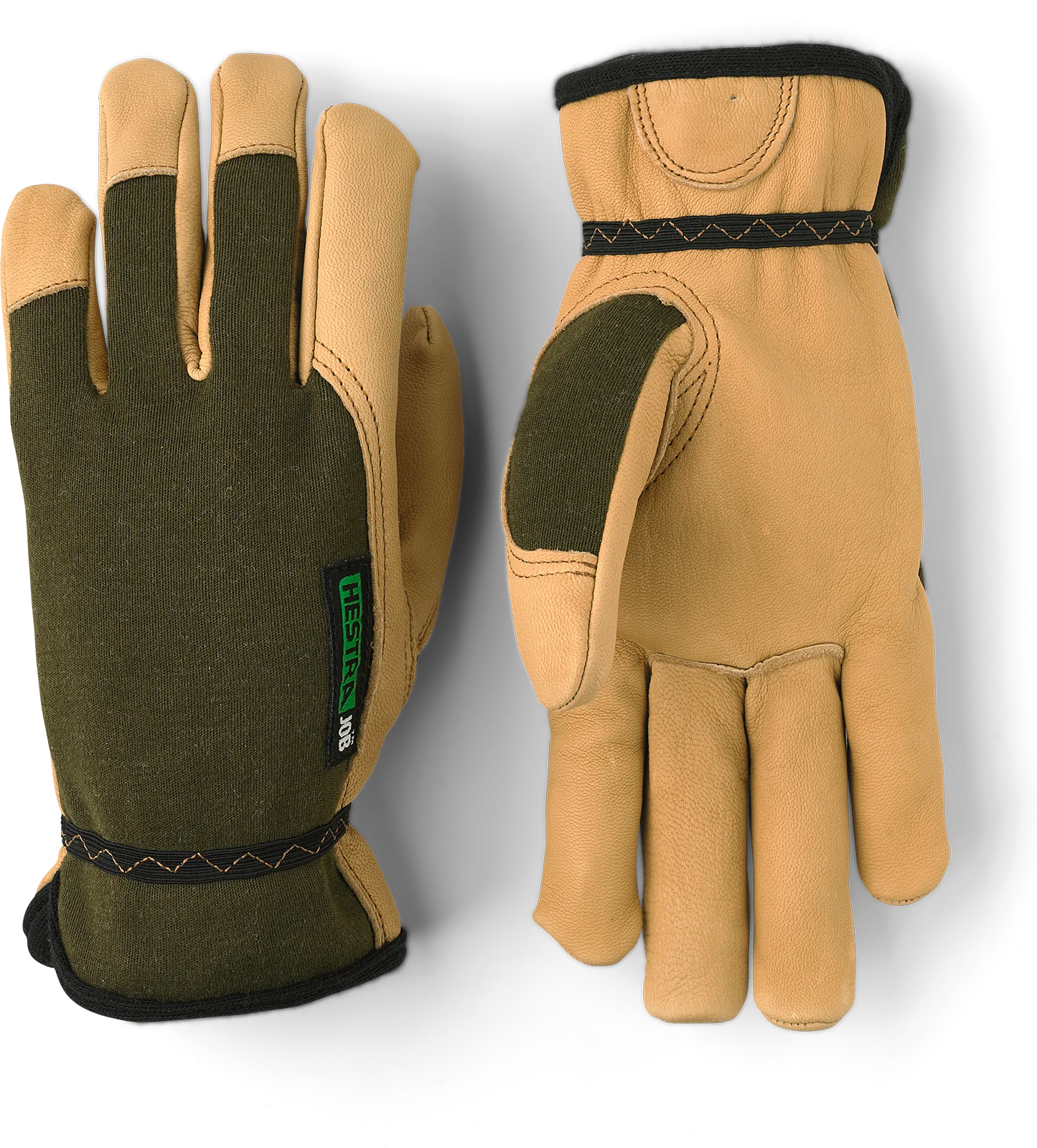
I haven't used them yet other than tried them on (haven't used an angle grinder since I bought them), but they are only ~25 USD, so I can buy another pair if they are any good for soldering as well.The Kobolt FR is a flameproof version of Hestra’s popular Kobolt assembly glove. The backhand is in Nomex®, an aramide-based fabric that won’t burn or melt. The fit is close to the hand with hardwearing goatskin on the palm and reinforced fingers and thumb. Perfect when you need protection and fingertip sensitivity, and extra suitable for engineering and industrial environments where welding or grinding sparks may arise.


![Pampers Sensitive Baby Wipes, Clinically Proven, Fragrance Free, Unscented, Water Based, Hypoallergenic, Multi-Use, Hand Wipes 336 Wipes Total (6X Flip-Top Packs) [Packaging May Vary]](https://m.media-amazon.com/images/I/41KLBHu9CAL._SL500_.jpg)