

PhotonWrangler
Flashaholic
Their original "Chief" logo was a rather unflattering image. It's good that they ditched it a long time ago.I thought Cleveland should have gone back to their original name which was the “spiders”.


Their original "Chief" logo was a rather unflattering image. It's good that they ditched it a long time ago.I thought Cleveland should have gone back to their original name which was the “spiders”.
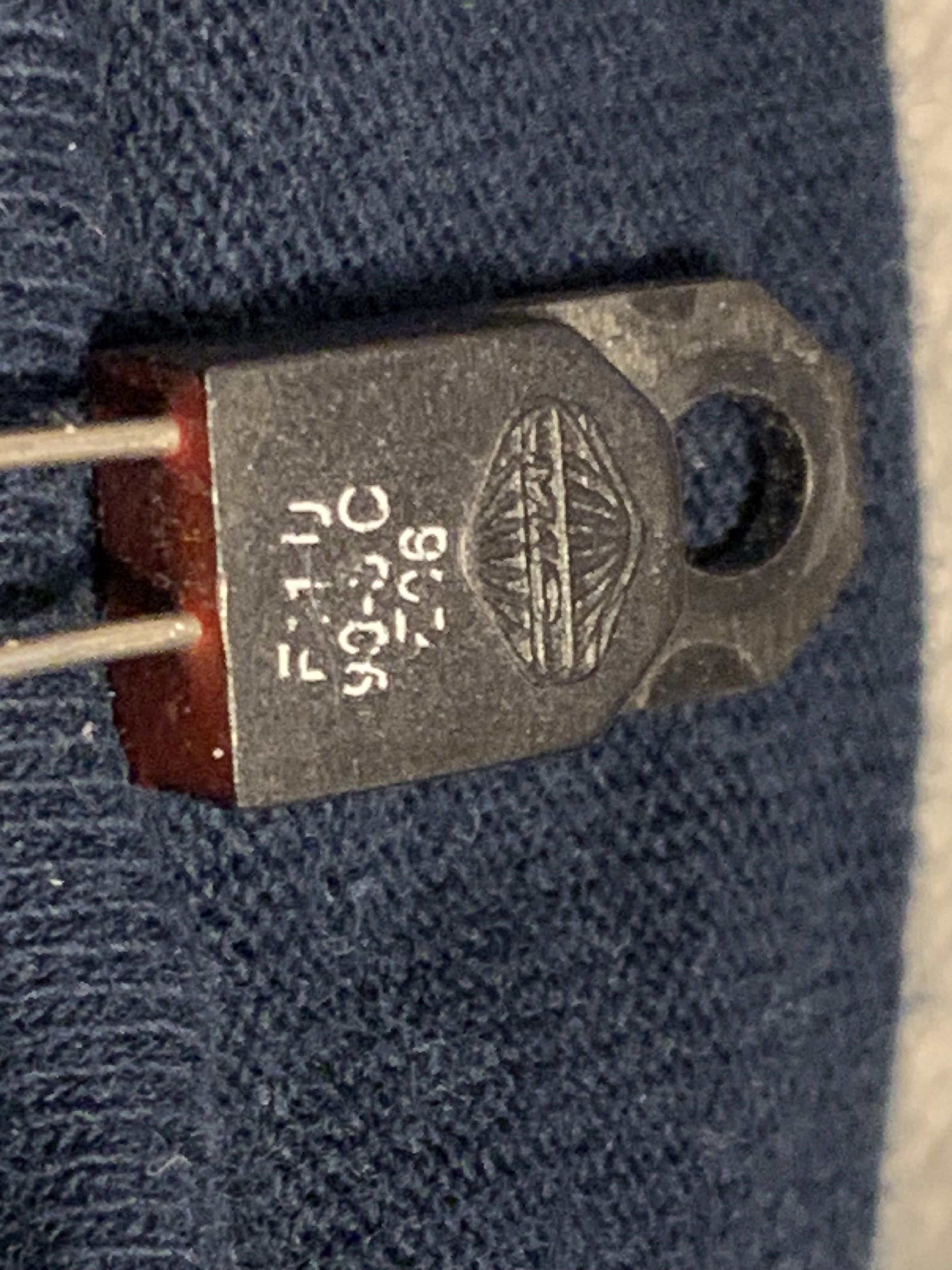

A fuse, perhaps.Awhile back I bought a random bag 'o' transistors at a hamfest. Yesterday I was fishing through the bag for a particular type of transistor when I pulled this thing out. I have no clue what it is, so I'm hoping that someone else can identify the type of component. It's numbers are partially scratched off so I can't search it by part number. So far I know this about it from probing it -
It's not a transistor because there aren't enough leads.
It's not a diode as it measures open circuit in both directions.
It's not a photosensor as it produces no reaction to light.
It's not a magnetic reed switch as it doesn't respond to the presence of a strong magnet.
It's not a coil, resistor or capacitor.
It does have some steel inside as it sticks to a magnet.
The brand name stamped into the logo is MIO. It's potted iin red colored resin and the two leads are close to the front face of the device, which seems significant.
What the hell is it?
View attachment 78425

Hmm, good observation. It would have to be a blown fuse though, and the leads look pristine like it's never been used. And yes that plastic loop is meant to bolt it to something.A fuse, perhaps.
**Or a grounding pin thing, that loop looks like it is meant to be screwed or bolted down
It could be some sort of switch, however it doesn't respond to a magnetic field, nor does it respond to skaking it, so it doesn't appear to be a tilt switch, unless it's a defective one.^if it were closed, I'd say it was a switch or fuse.
hmm....maybe it was a retail hanger tag style twistie tie (like a security tag on a truck) and accidentally got thrown into the bag? We could just be overanalyzing something as simple as a harness or hanger clip lolHmm, good observation. It would have to be a blown fuse though, and the leads look pristine like it's never been used. And yes that plastic loop is meant to bolt it to something.
It could also be intended to poke through multiple layers of boards, then used as a mount point on a power supply or something like that.It could be some sort of switch, however it doesn't respond to a magnetic field, nor does it respond to skaking it, so it doesn't appear to be a tilt switch, unless it's a defective one.
Could it be an MOV? I've never seen one in this type of package though, and MOVs generally don't stick to magnets.hmm....maybe it was a retail hanger tag style twistie tie (like a security tag on a truck) and accidentally got thrown into the bag? We could just be overanalyzing something as simple as a harness or hanger clip lol
Lol...no idea, I'm currently looking up 2 pin eyeletsCould it be an MOV? I've never seen one in this type of package though, and MOVs generally don't stick to magnets.
Maybe some type of thermostat? :unsure:
I'm guessing it means MIO Global.What does that logo look like? It could give us some insight into the company. Is it mio global, mio international? What is that shape?
The more I think about it, the more I'm convinced it's just a bundling/hanger tag/tab
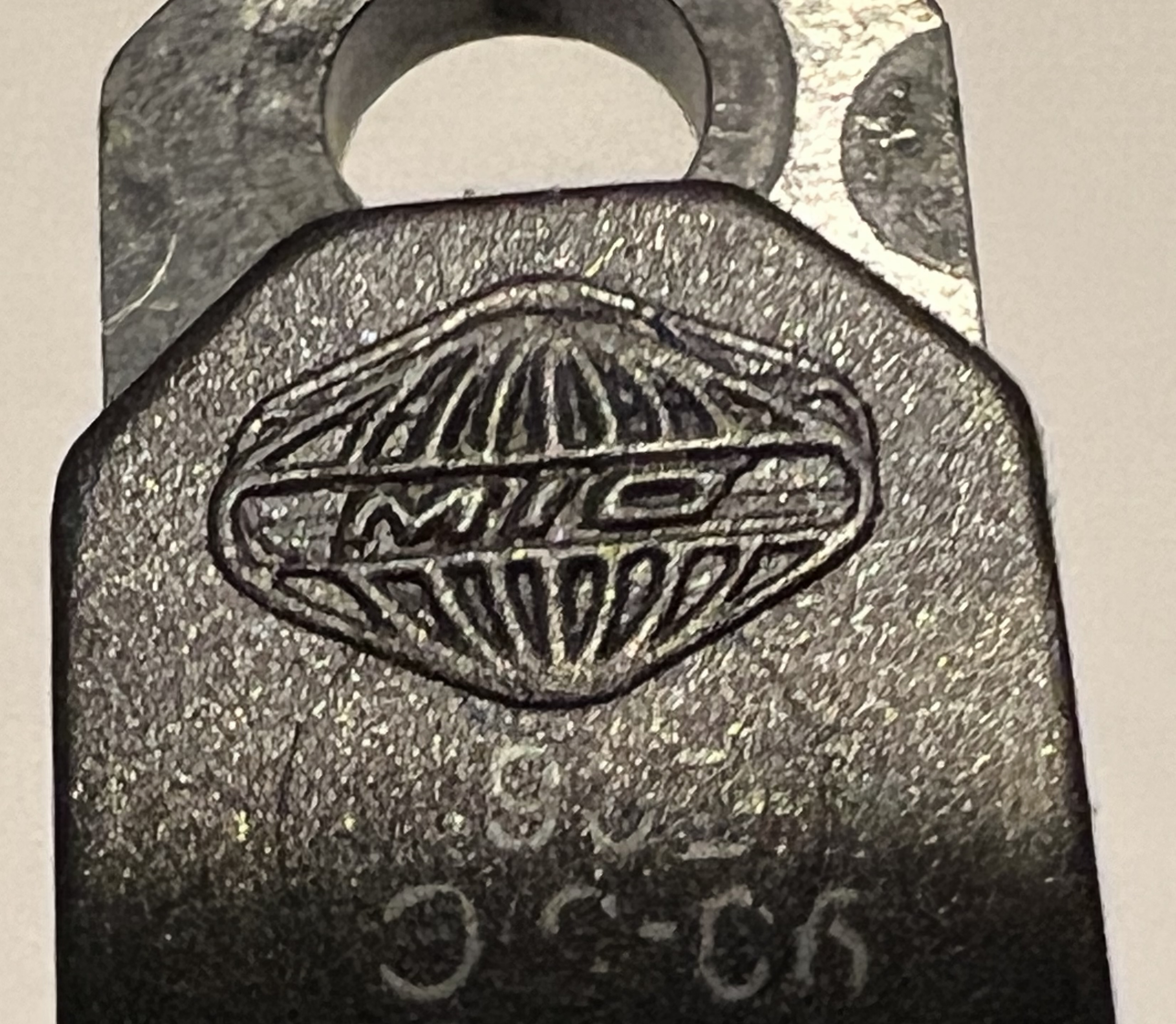

Possibly a miniature antenna, if it was at a hamfest...
The man with all the answers :DPerhaps a brother or cousin?
View attachment 78438
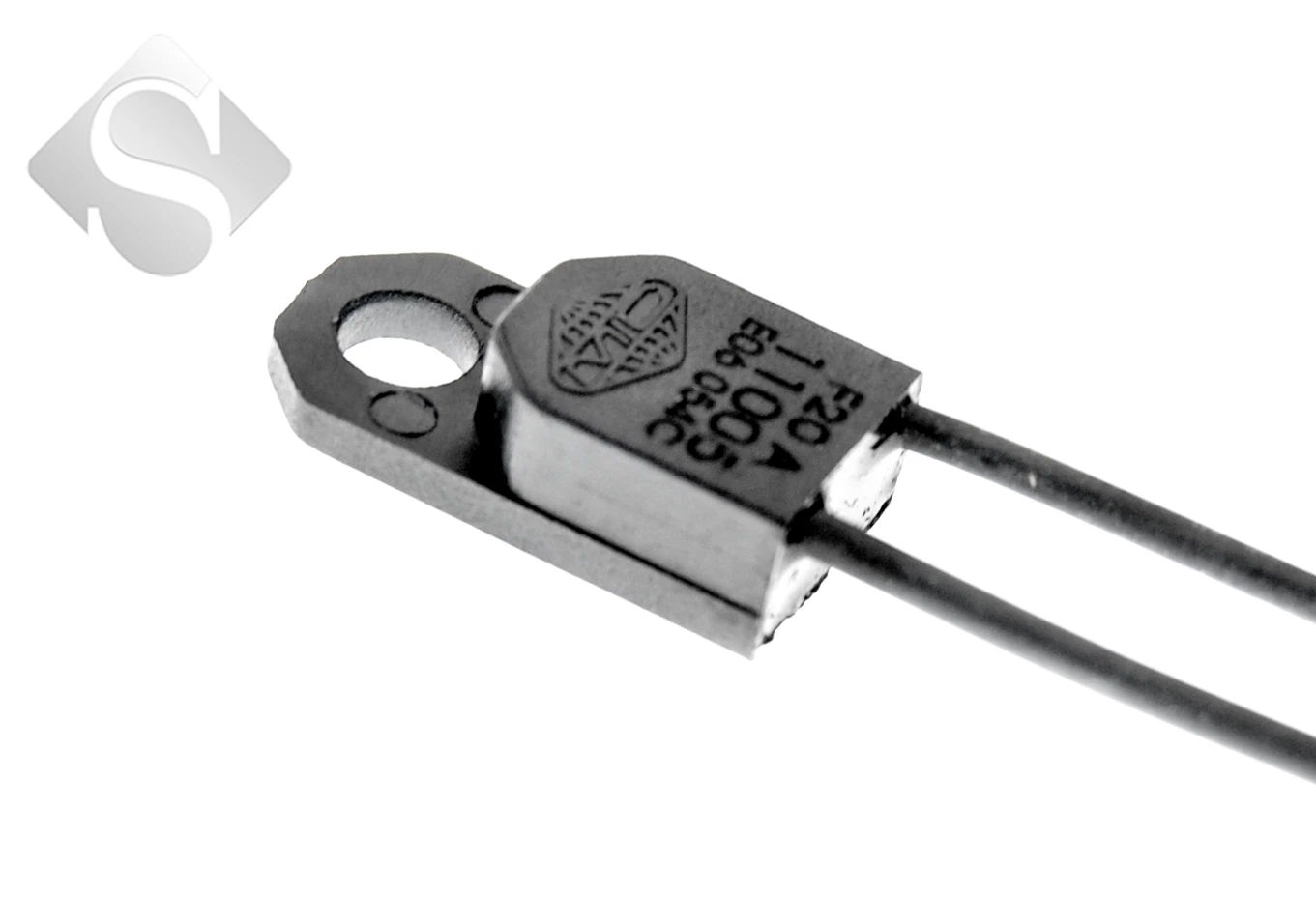
CANTHERM F20A11005ACFA06E Encapsulated Thermostat - Response Temp 110 Degrees
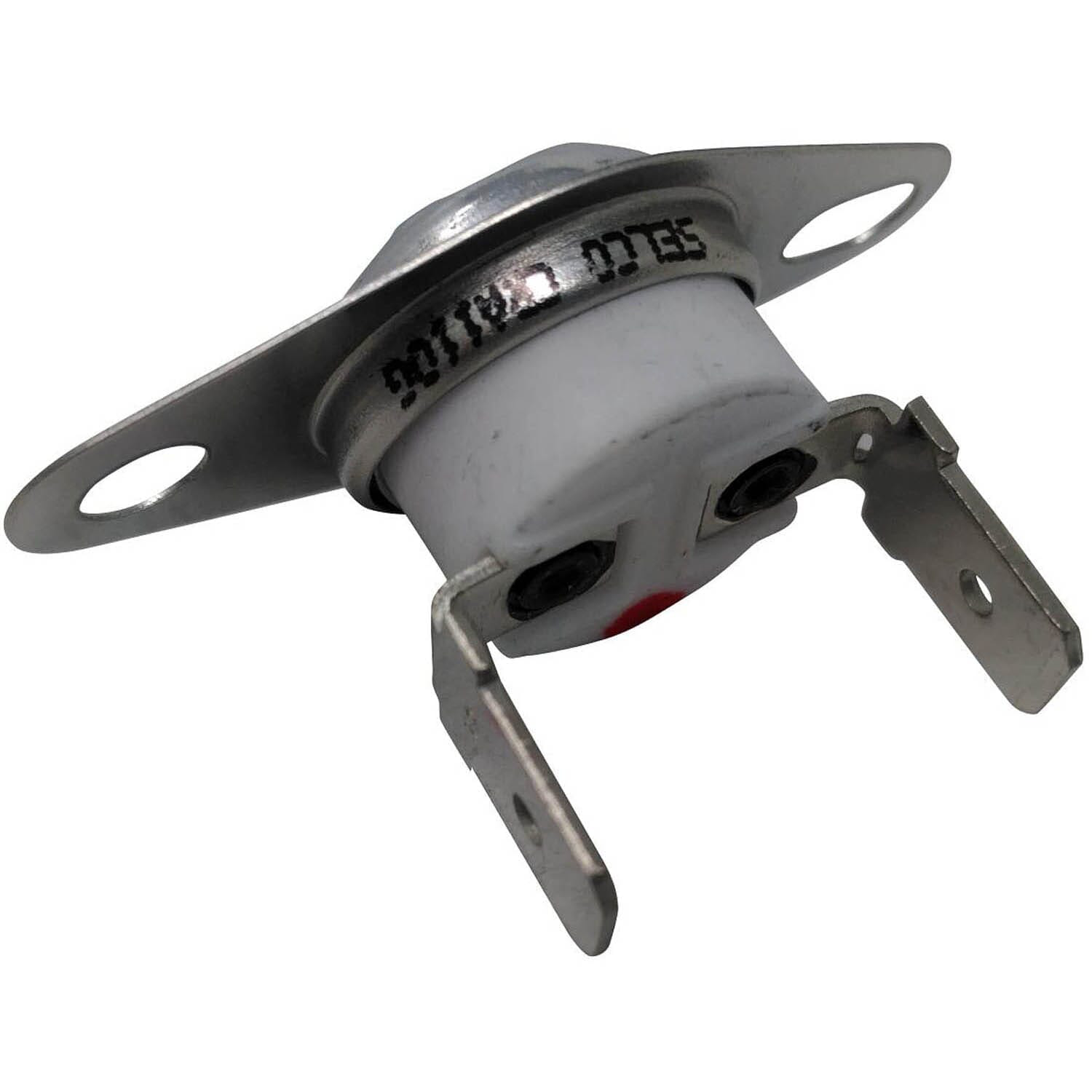
Our pellet stove has something similar in function. when the stove reaches a set temperature, the snap disc, as they're called, closes the internal switch allowing electricity to power a fan.
View attachment 78439
Chauncey, I think it's the Cantherm F20 or similar in Normally Open configuration. This explains why it measures infinite resistance across the leads. .I'm going to try hitting it with a hair dryer or heat gun while measuring continuity.Perhaps a brother or cousin?
View attachment 78438
CANTHERM F20A11005ACFA06E Encapsulated Thermostat - Response Temp 110 Degrees
Our pellet stove has something similar in function. when the stove reaches a set temperature, the snap disc, as they're called, closes the internal switch allowing electricity to power a fan.
Dang CG, you're cookin' on the front burner today;-)Chauncey, I think it's the Cantherm F20 or similar in Normally Open configuration. This explains why it measures infinite resistance across the leads. .I'm going to try hitting it with a hair dryer or heat gun while measuring continuity.
Nice find!!
I saw something in the data sheet that said -Dang CG, you're cookin' on the front burner today;-)
'NO' is usually the minority app for such components (vs 'NC'), as components of this sort are most often used to protect something in an out of bounds condition rather than control something operating normally (in the interest of 'failing safe' / failing 'open'), but they do make 'em. I note that the 'switching cycles' spec ain't that high either. As you alluded to PW, whatever the something is, it could also be a defective something, and it may never change state again;-)
I did see something in the spec sheet about 'self-heating' and the potential failure mode it can cause. I tried heating it up with a hair dryer while monitoring for continuity and there was no change. I'll make one more run at it with a heat gun before I decide whether it's broken.Dang CG, you're cookin' on the front burner today;-)
'NO' is usually the minority app for such components (vs 'NC'), as components of this sort are most often used to protect something in an out of bounds condition rather than control something operating normally (in the interest of 'failing safe' / failing 'open'), but they do make 'em. I note that the 'switching cycles' spec ain't that high either. As you alluded to PW, whatever the something is, it could also be a defective something, and it may never change state again;-)
Speaking of hair dryers, that switching cycle rating might be entirely adequate for its application. Funny thing with safety / protection stuff is that high MTBF is more P2, while 'failing safe' is more P1.I did see something in the spec sheet about 'self-heating' and the potential failure mode it can cause. I tried heating it up with a hair dryer while monitoring for continuity and there was no change. I'll make one more run at it with a heat gun before I decide whether it's broken.






