Gas prices

Candle Power Forums

Help Support Candle Power:

duphuk you mean it hardly feels cramped? LOL
I think the average population density in a US city is around 4k /sqm ? (I could be off I didn't check) I know that my city is around 4500 /sqm.
20k is nuts IMO
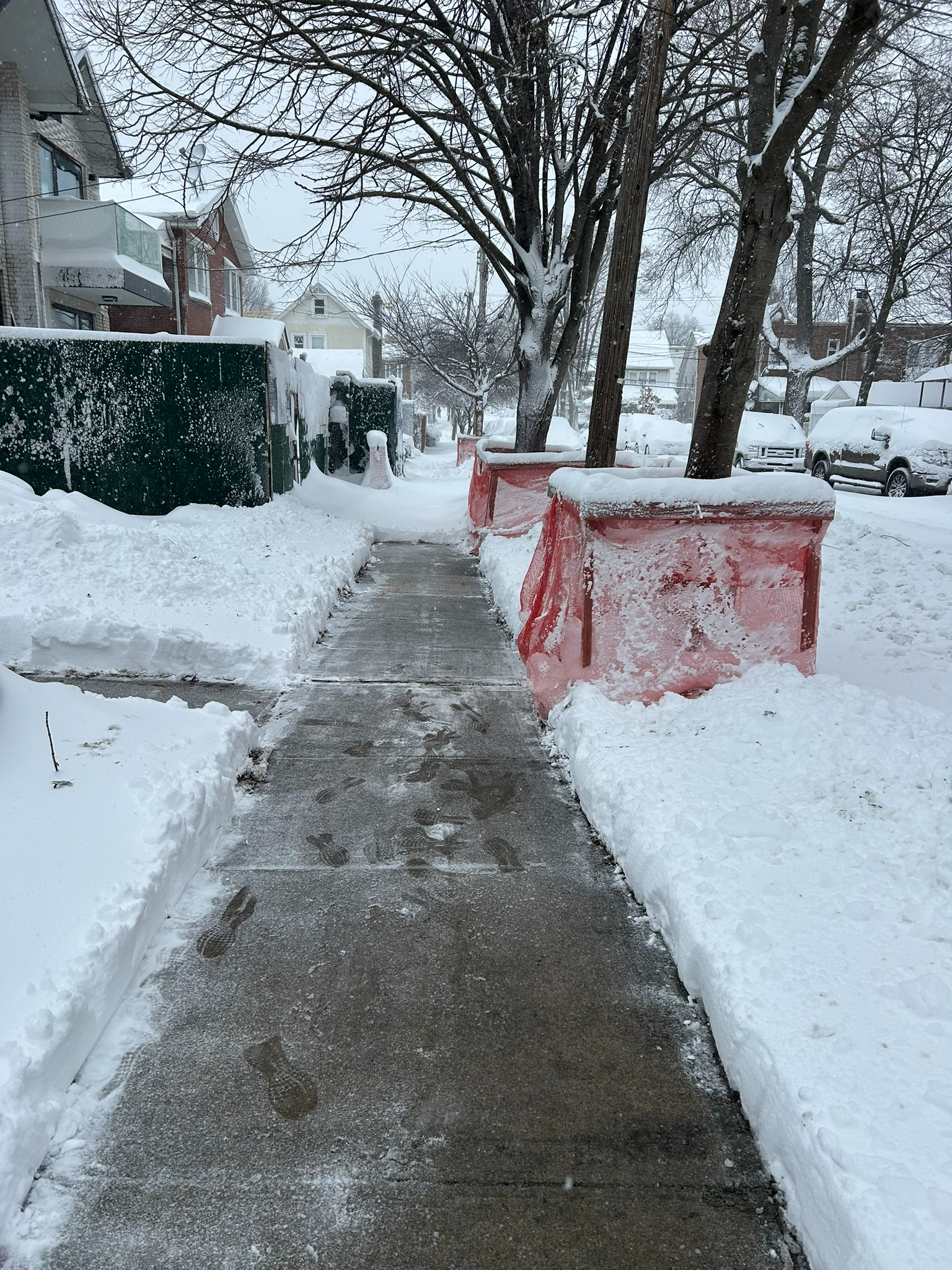
I guess it depends upon your perspective. This is my block:

1774553724615.png


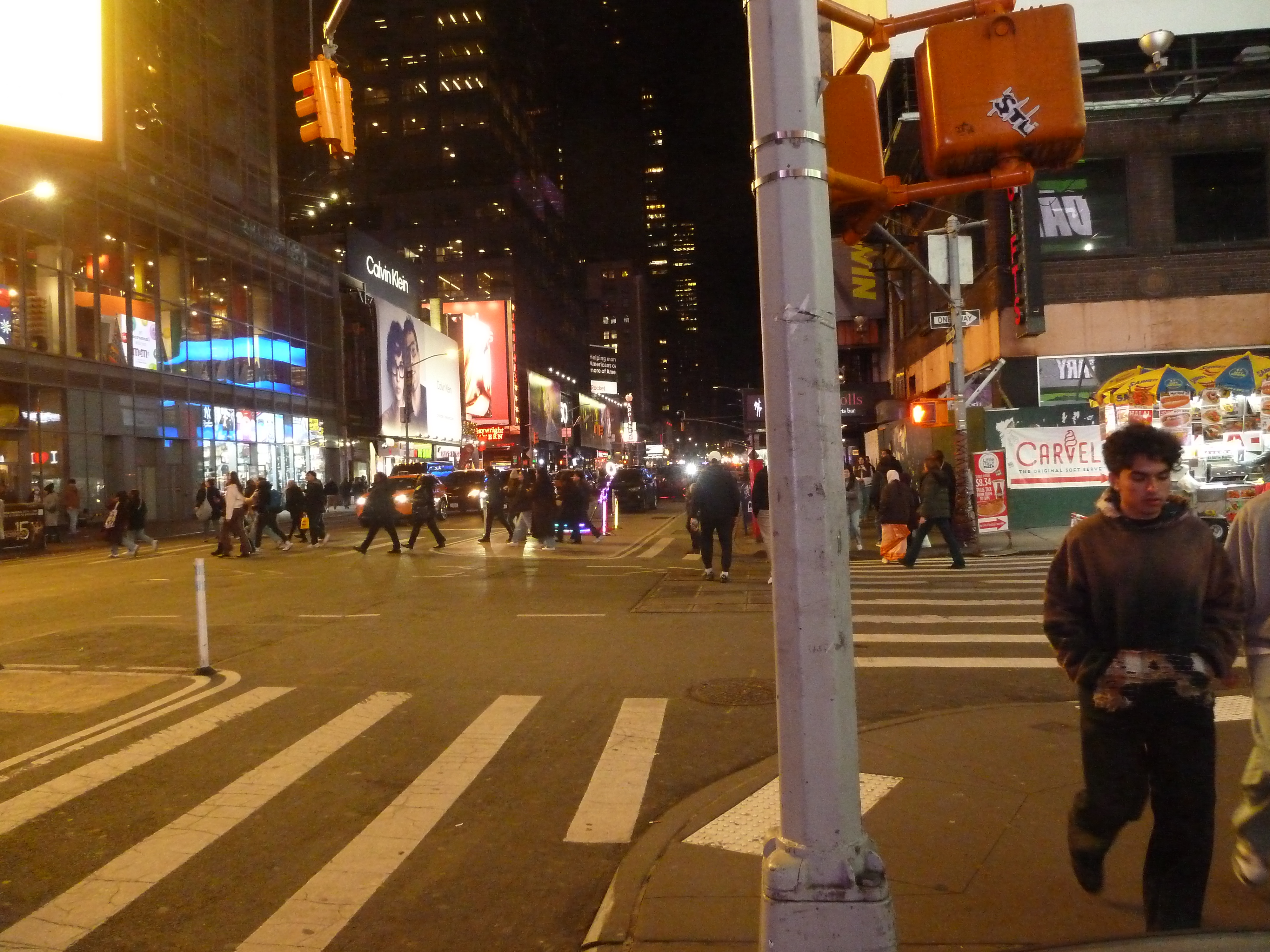
Compare to Manhattan:

1774553775994.jpeg


Manhattan is a bit too dense for my tastes to live there but I love visiting.
No. Personal 'motorized' go fast or go slow vehicles (doesn't have to be a car) are never going away. We've always had personal transportation along with mass transit once that got sorted.
I've never said otherwise but other places mostly use scooters or e-bikes or similar vehicles, not massive SUVs and pickups which just have the driver in them. Use vehicles that fit the location. SUVs and pickups are farm or work vehicles, not urban transportation (unless you have a business which needs them). Kei cars are great urban vehicles if you need something with more than two wheels. However I would like to see cars and trucks GPS governed to the speed limit on local surface streets. High speeds are incompatible with safety on urban streets. You want to drive fast go on a highway.
Build a city from the bottom up, from scratch to hold your 20k density. No cars allowed. Build straight down, straight up. Build it in an imaginary bubble with all of the latest green tech. Make modular for easy of maintenance and any upgrading.
Have ALL of it designed by engineers that are/would actually live in said city to avoid any unrealistic 'dreamers' creating a thing that can't actually be lived in.
(what was that bio-dome thing in Arizona that failed?) Lot's of stuff got learned and some things fixed. But it wasn't actually self-sustainable.

You're gonna have to make concessions. There will be compromises needed. Not everyone wants, or even can live in a 20k-per density city. So they live just outside of it and commute. Mass transit is fine there also, but the cars/trucks/motor bikes remain.
Civilization is all about compromises. Most of the compromises needed to live in a big city don't bother me. I do hate traffic signals but that's not inherent to cities. We can decrease vehicle use enough in cities and/or use roundabouts so signals aren't needed.
We aren't talking long term sensory deprivation. No artificial environments. Ppl are different and context matters.

I just read a study that said that noise is a larger issue with our health. That the constant (even relatively low 50db) is being cited as a (contributing) source of depression, anxiety and physical ailments.
You know what types of noise both people the most? Generally intermittent, very loud noises. Airliners flying overhead really annoys me. That's a big negative but airports really shouldn't be located anywhere near cities. Japan has the right idea building an airport on a man-made island. Motor vehicle engines are annoying also. Horns honking are extremely annoying. There are solutions to both. Electric vehicles and reducing congestion so people don't honk constantly.

The indoor environment people spend the most time in matters more. Since I installed more attic insulation I don't even hear planes flying unless I open the windows. It's eerily quiet inside my house despite it being in a fairly dense area.
We know that each person likes what they like ...for better or worse.
But average humans don't prefer noise. They do prefer being around or at the very least interacting with other humans. This becomes an issue for many.
The kind of noise matters. Random chatter from people and other similar noises are probably healthy. Remember we originated in jungles. Jungles have all sorts of these types of noises. Loud, mechanical noises on the other hand definitely affect health. For that reason some are trying to get the local airports closed eventually. Maybe we'll do the man-made island thing like Japan.
I like interaction with others. I like being around others. (We just had an old friend from high school come out to visit for a week - it was great hanging with them and they will be missed)
I also like my personal space. I like quiet when I want it and I like noise when I want to hear it. (Music preferably but I'll also take a V8 engine at my foot)
Everyone can have a quiet personal space where they live, including in large cities. I'm not sure I like living alone though. Still getting used to it 2 years and 3 months after my mother passed.
 
^My current place isn't quite as tight as yours. but I've lived in similar neighborhoods as yours too.

No real complaints from me. It has pro and cons.

I like the space I'm in now. A good mix of suburban life that isn't congested and close enough to downtown and the airport.

Once I get around this bend in my life, I'm moving to the country.

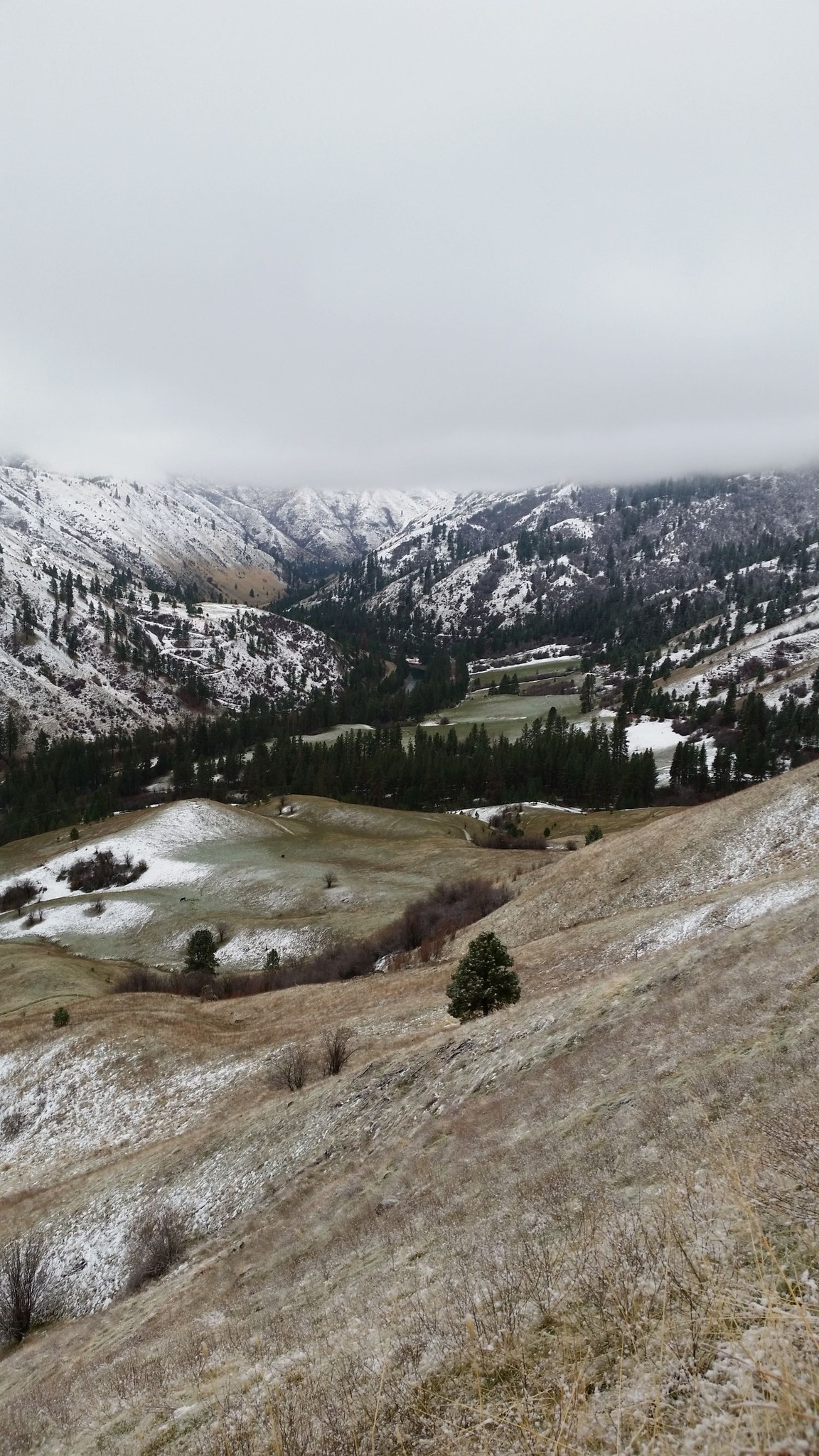
A place near here. This is close to Horseshoe Bend.

Idaho.jpg
 
It looks very pretty. Funny thing with me is I love the city by maybe I could see myself living in a place like that, at least part-time. But I hate the suburbs with a passion. They're kind of a middle ground between cities and very isolated places, with the worst of both worlds (i.e. traffic congestion but most things aren't within walking distance).

I went to college in Princeton. It's a nice college town although I never quite got used to it. I visited for the first time in 39 years when NJ Transit had their fare holiday. All I paid was subway fare to travel 65 miles each way. I took a bunch of photos:

 
It looks very pretty. Funny thing with me is I love the city by maybe I could see myself living in a place like that, at least part-time. But I hate the suburbs with a passion. They're kind of a middle ground between cities and very isolated places, with the worst of both worlds (i.e. traffic congestion but most things aren't within walking distance).

I went to college in Princeton. It's a nice college town although I never quite got used to it. I visited for the first time in 39 years when NJ Transit had their fare holiday. All I paid was subway fare to travel 65 miles each way. I took a bunch of photos:

ew princeton. Supremely overrated, lol...
 
It's not a question of like or not like. It's a simple fact that sprawl and suburbia are simply unsustainable. I'm not the first person who said this, nor will I be the last. The first suburbs built after WWII are starting to reach the end of their useful infrastructure life. We don't even have the money to maintain them, let alone to rebuild this infrastructure. We're destined to abandon many suburbs, especially exurbs, within a generation.

Also you can have reasonably high population densities without living in tiny apartments. Where I am is a mix of 1, 2, and 3 family homes on lots ranging from 20'x100' to 40'x100'. I think the population density is around 20K per square mile but it hardly feels cramped.

The main thing though is ending car dependency. We can do this without resorting to very high population densities by simply putting places people need within walking distance or easy biking distance of each other. You can do this in urban, suburban, and even rural areas. There's no reason to have schools and offices and shopping areas and residential areas all separated from each other by miles of nothing. You can put all these areas close to each other.
I think there are distinct differences depending on where you live. The entire country did not build up the same. Suburbia is alive and well in many places, including where I live, and will continue for the foreseeable future.
What I worry about are true rural towns. Many do not have the tax base to support their local government anymore. Stores have left. There’s nowhere to work. People have to drive an hour to work at a business that pays a decent wage. Farms are drying up. I find these areas in a much worse situation.
We will need transportation going forward. It sounds easy to say “put places people need within walking distance” but we all know businesses do not last forever. Smaller businesses which took up this need are being overtaken by the large corporations. Citizens are forced to drive further. I don’t think there’s a perfect solution. Support your local community and live where you find the most enjoyment.
 
As an Amazon Associate we earn from qualifying purchases. Product prices and availability are accurate as of the date/time indicated and are subject to change.
I think there are distinct differences depending on where you live. The entire country did not build up the same. Suburbia is alive and well in many places, including where I live, and will continue for the foreseeable future.
Location is everything. In my region the suburbs of Long Island are alive and well. They're not going anywhere. But they exist largely due to their proximity to NYC. If the people there don't work directly in the city, they may work in businesses which cater to it. There are also enough people living on Long Island to support many local businesses directly.
What I worry about are true rural towns. Many do not have the tax base to support their local government anymore. Stores have left. There’s nowhere to work. People have to drive an hour to work at a business that pays a decent wage. Farms are drying up. I find these areas in a much worse situation.
Small town America has been dying a slow death for the last 50 years. You have mega-corporations to thank for much of this. They build another Home Depot and how many local businesses fold as a result? Also many small towns were built around only one industry, be it mining, fishing, or perhaps some large government project like a military base. When that industry dries up the town dies. It's not exaggeration to say in many small towns Social Security checks are the primary source of income. When these people pass, what's left of the town will die. Their children already mostly left long ago.

Putting more people in close proximity results in resilience even if it may not be the ideal living situation for some. That's why I say we need more of this. So-called 15 minute cities are probably the future. That's really what small towns are if you think about it. The town exists close to a central transportation hub like a rail station. Most of the population lives and works within about a mile of it. For most their legs or a bicycle is all the personal transportation they need. It's funny how we're returning to the past.

We will need transportation going forward. It sounds easy to say “put places people need within walking distance” but we all know businesses do not last forever. Smaller businesses which took up this need are being overtaken by the large corporations. Citizens are forced to drive further. I don’t think there’s a perfect solution. Support your local community and live where you find the most enjoyment.
One solution is to stop businesses from expanding into green fields. It may be cheaper to build a big box store or office park on a green field in the middle of nowhere but the employees pay for that in terms of auto dependency, plus longer commutes. Maybe make businesses bear these costs instead so it's cheaper for them to expand near existing settlements.

It's also worth noting that suburbia was largely developed just to sell cars. The auto and oil industries got government to fund the initial road infrastructure. Before this for many people an automobile was nice to have but not a necessity. It was hard to sell people an expensive machine just so they could go for a drive in the country on weekends. So suburbia came. First we may have had some bus service but that quickly died off. Detroit loved it. They sold cars by the millions. Eventually there were traffic/pollution problems but by then the automobile was too entrenched into society. We probably should have reversed course after the first oil crisis in the 1970s. Instead we doubled down. Or more accurately tripled down by adopted ridiculously huge, inefficient vehicles.
 
Location is everything. In my region the suburbs of Long Island are alive and well. They're not going anywhere. But they exist largely due to their proximity to NYC. If the people there don't work directly in the city, they may work in businesses which cater to it. There are also enough people living on Long Island to support many local businesses directly.

Small town America has been dying a slow death for the last 50 years. You have mega-corporations to thank for much of this. They build another Home Depot and how many local businesses fold as a result? Also many small towns were built around only one industry, be it mining, fishing, or perhaps some large government project like a military base. When that industry dries up the town dies. It's not exaggeration to say in many small towns Social Security checks are the primary source of income. When these people pass, what's left of the town will die. Their children already mostly left long ago.

Putting more people in close proximity results in resilience even if it may not be the ideal living situation for some. That's why I say we need more of this. So-called 15 minute cities are probably the future. That's really what small towns are if you think about it. The town exists close to a central transportation hub like a rail station. Most of the population lives and works within about a mile of it. For most their legs or a bicycle is all the personal transportation they need. It's funny how we're returning to the past.


One solution is to stop businesses from expanding into green fields. It may be cheaper to build a big box store or office park on a green field in the middle of nowhere but the employees pay for that in terms of auto dependency, plus longer commutes. Maybe make businesses bear these costs instead so it's cheaper for them to expand near existing settlements.

It's also worth noting that suburbia was largely developed just to sell cars. The auto and oil industries got government to fund the initial road infrastructure. Before this for many people an automobile was nice to have but not a necessity. It was hard to sell people an expensive machine just so they could go for a drive in the country on weekends. So suburbia came. First we may have had some bus service but that quickly died off. Detroit loved it. They sold cars by the millions. Eventually there were traffic/pollution problems but by then the automobile was too entrenched into society. We probably should have reversed course after the first oil crisis in the 1970s. Instead we doubled down. Or more accurately tripled down by adopted ridiculously huge, inefficient vehicles.
Suburbia was not developed just to sell cars. Cars were developed to help people escape the cities. Cities that were/are filthy, overcrowded and poor. People want fresh air, not city smells.
This whole concept is very utopian and is basically just a pipe dream. It will drive up housing prices and push people who cannot afford it further away. Maybe that’s the intent. 🤔
 
Not owning some form of private transportation is unrealistic. It needn't take the form of a car. I was using my bike the way most people use a car from the time I was a teenager. Most car trips are under 10 miles. A bike can easily handle that once you build up some stamina. Now that we have e-bikes a person in any kind of shape can do 10 or 20 mile bike trips. A fast e-bike is probably as fast as a car for many local trips.
I'm sorry, no idea where you got that belief that most car trips are under 10 miles. They're not. I commute nightly to my 3rd Shift job that is around 12 miles away. And, for a one-way car trip, that is considered a very short ride. Most folks put around 12,000 to 15,000 miles a year on their car. You do the math for daily use, and the numbers don't add up. Number of miles on the car's odometer should be quite a bit less than 10,000 per year if the vast majority of car trips were 10 miles or under. Usually with a lease, car dealers start at 12,000 allotted miles per year.

There's doctor's appointments, the weekly shopping, health issues for those who are Middle-aged or older (I know, you're older than I am). Some folks don't age as well as others. They can drive a car, but a bike? Even an e-bike? Too dangerous for them. Not enough strength in their legs. Personally, I enjoy visiting Long Island. No way am I going to get there on any sort of bike with any strength left over to walk around in my old stomping grounds from back in the day. Plus, with my medical condition, I can't walk more than half a mile without causing actual injury to my feet. Would rather not get into it. Again, some folks genuinely NEED a car.
The problem with cars is they cost you money even when you're not using them. They're as expensive as hell. You also need an operator's license, which is another huge downside. The US should provide people alternatives to driving. Travel is a basic human right. You shouldn't have to jump through the hoops of getting an operator's license and spending a small fortune just to get from point A to point B. At the very least employers in places without decent public transit should have to provide transportation to employees who lack a car for free, or worst case for a small fare.
Oh I agree with you regarding the expense. But again, it's a need. It's like food and water. Folks learn to budget for the car that they need. Don't worry about licenses. Once you pass the first test for one, getting it renewed is so ridiculously easy that it's an absolute joke to do so. A laughable formality. I mean, there are private options for travel. The Government is happy to stay out of that arena. They don't consider travel a Right. They just don't get in the way of preventing it, and think that's good enough.
The fact most need to drive is also why our roads are so dangerous. We've watered down licensing standards to the point 99% of those driving are incompetent, many dangerously so.
Again, we agree.
 
  • Like
Reactions: TPA
I was using my bike the way most people use a car from the time I was a teenager. Most car trips are under 10 miles. A bike can easily handle that once you build up some stamina. Now that we have e-bikes a person in any kind of shape can do 10 or 20 mile bike trips. A fast e-bike is probably as fast as a car for many local trips.
Very myopic view there. I know quite a few people who shouldn't be on a bicycle, even e-bike, myself included.

Even at that, bikes don't have any cargo capacity. Due to my job and lifestyle, my car is practically my home away from home and has everything I might need on the road. Food storage (refrigeration), cooking, HVAC, power, office space, relaxation space (hot stone massaging seats), home theater, audio mastering studio, etc. It's my cocoon from the outside world. I also carry spare parts for clients, tools, equipment I might need on the road. My car has also been designed to handle my body's fragilities and medical issues, along with providing ..protection..from people who might want to harm me with pew pews. At times my car has served as a life support system, emergency management command post for the county (no, not HAM radio, actual government emergency service), helped restore electricity to the area, severe weather shelter, delivered hurricane relief, and hurricane evacuations. A bicycle can do none of those.

The problem with cars is they cost you money even when you're not using them.
Any asset has an acquisition cost, ownership costs, and a time-value of money cost.

Food is ridiculously expensive when you think about it. You have to acquire it, either via store or delivery, store it (uses space and energy), prepare it, eat it, then excrete it, and even then you're having to pay for the privilege of getting rid of it. and... unless you're a rabbit and practice coprophagy, you only get one use out of it.

The average US household spends $10k-$18k/year on food. that they can only use once. Even the worst cars out there can be used more than once.

For reference, my cars cost me ~$2k-$7k/year each. Including fuel. My low-end is very similar to what MTA tops out at for NYC commuters. and I don't have to worry about some person with 40+ felonies pushing me onto the tracks in front of an oncoming train. Or p*ss on the seats. Or people smoking weed. Or getting mugged. Or blasting their phones & Bluetooth speakers at full volume. Or lord only knows what else goes on in the NYC subways.

I'll readily admit buses suck. They're slow, bumpy, and smelly, plus they're subject to traffic delays. Rail transit is far better. That's what the US needs now. High-speed rail for longer distances to replace planes and long-distance driving. Local rail with adequate bike parking to replace local driving. Rail can't go every place you need to go but it can get you close enough that your destination is a bike ride away. In a city subways are ideal. You're not stuck in the rain waiting for your train to come.
No one wants a choo choo going by their front door. Likewise, high speed rail needs isolation from surface traffic. Therein lies the rub: You can't have high speed rail doing door-to-door service. By its very nature, it will be out of the way. You even said it, rail can't go where I need to go. And again, bikes aren't for everyone. Subways don't work in sandy soils with high water tables.

Planes suck also. The stupid TSA delays at airports largely negate the point of flying. For trips under about 500 to 900 miles high-speed rail is faster overall. Just buy your ticket and hop on the train. The stations are in the city centers. No need to waste an hour or more getting to/from an airport.
No, planes are absolutely awesome! You don't have a bunch of people standing around staring at bicycles which go by, hoping to hear the sound of the tires and pedals moving. You DO have people wanting to see (and feel) the engines with airplanes and watch their comings and goings. Jerry over at BigJetTV on YouTube has 114M views. People have an affection for airplanes. 704,000 people showed up at last year's EAA Air Venture air show. Bikes don't get that sort of love.

No roads or real infrastructure needed for airplanes either. Just a reasonable smooth patch of grass of suitable length works fine. Ideally you get the cows and deer out of the way first. If you have water, there's seaplanes and flying boats. Trains and bikes require fixed infrastructure in advance, which is often carved through environmentally-sensitive areas. Even after tracks are removed, the scars they leave behind are still visible 30+ years later.

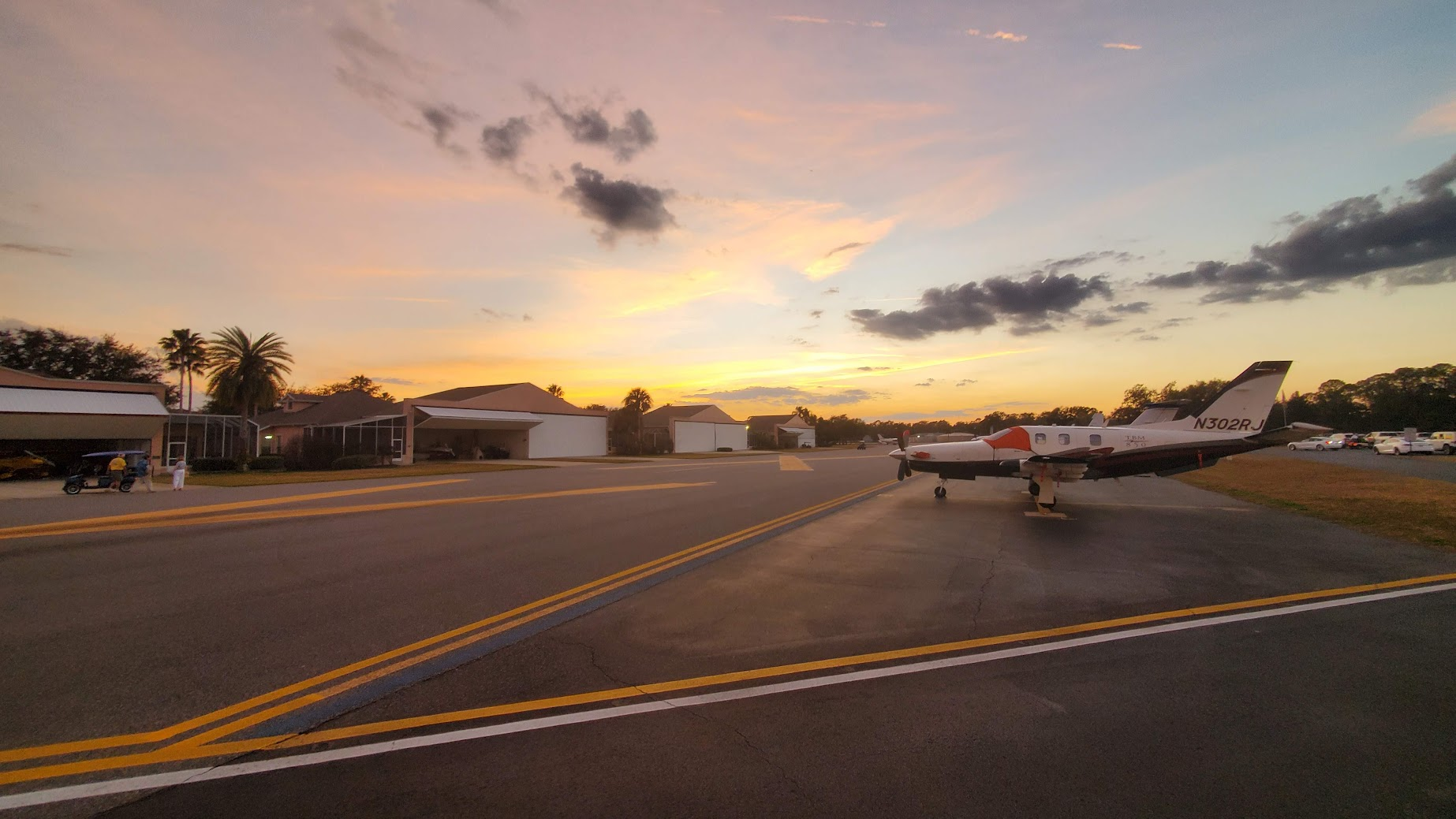
A couple of the communities I hang out in have their own runways. No need to deal with bikes, TSA, or other garbage. Just open the back door of your house, get in your airplane, and go. We're looking to moving to one as soon as we get some life issues straightened out first.
1774596781738.png
 
Well, lots of tourists from suburban and rural areas come to NYC each year. We welcome them with open arms, and enjoy giving them a different perspective from what they're used to. Riding the subways is a trip for many of these tourists.
I will never forget two decades ago. I'm on the subway, headed to work. It's late at night. Besides myself, there's a tourist family in the same subway car. Literally across from me. No one else on the train. How do I know it's a tourist family? Dad is wearing one of those white I ❤️ N.Y. t-shirts. (The type ONLY tourists wear.) Mom is there looking just as oblivious as dad. Two little kids on the bench next to them.

I'm looking at Dad. His nose is buried in a subway map. This ignorant fool has no clue how badly he's screwing up. They might as well just have a homemade sign around their necks saying "Please Mug us." They got off a couple of stops before I did. I just sat there because I couldn't believe the Dad's level of ignorance. Yes, bring your family. Enjoy the sites. Ride the subway. But not just before frickin' Midnight!
 
I hate the city, and would live there only if you gave me a nice big penthouse, away from all the noise, and my own private elevator. And unlimited food through its own personal elevator.

**it comes to mind that people always consider what they don't have or can't get to be a luxury...that penthouse experience situation would just be like every ither day for me, nice and quiet, big open quiet areas to walk in...I'm good where I'm at, you can keep the pent house lol
Movin' on up, to the East Side. To a de-luxe apartment in the sky.
 
I'm sorry, no idea where you got that belief that most car trips are under 10 miles. They're not. I commute nightly to my 3rd Shift job that is around 12 miles away. And, for a one-way car trip, that is considered a very short ride. Most folks put around 12,000 to 15,000 miles a year on their car. You do the math for daily use, and the numbers don't add up. Number of miles on the car's odometer should be quite a bit less than 10,000 per year if the vast majority of car trips were 10 miles or under. Usually with a lease, car dealers start at 12,000 allotted miles per year.

Over half of car trips are less than 6 miles. You can't figure out length of trips going by the number of annual miles driven. Many people take multiple trips per day.
There's doctor's appointments, the weekly shopping, health issues for those who are Middle-aged or older (I know, you're older than I am). Some folks don't age as well as others. They can drive a car, but a bike? Even an e-bike? Too dangerous for them. Not enough strength in their legs. Personally, I enjoy visiting Long Island. No way am I going to get there on any sort of bike with any strength left over to walk around in my old stomping grounds from back in the day. Plus, with my medical condition, I can't walk more than half a mile without causing actual injury to my feet. Would rather not get into it. Again, some folks genuinely NEED a car.
I know people are in different states of health. By the same token I could make a good argument that for many the very reason they're in too poor health to walk much or ride a bike is precisely because they spent a lot of time traveling by car. Others like you may just have medical conditions.

As for me, when I broke my ribs after the bike accident I got back on the bike about 8 months later. Within a few weeks I was doing 20+ mile rides again. I was walking a few miles a day maybe 2 months after the accident. I don't know if this is genetic, or just due to the fact I've exercised extensively since being a teenager. I do know in countries where active transportation is common the people on average don't suffer from the litany of health problems we face in this country. I'm 63 and have never been on any medication. Neither have my siblings. I attribute this to the fact we're all pretty active.
Oh I agree with you regarding the expense. But again, it's a need. It's like food and water. Folks learn to budget for the car that they need. Don't worry about licenses. Once you pass the first test for one, getting it renewed is so ridiculously easy that it's an absolute joke to do so. A laughable formality. I mean, there are private options for travel. The Government is happy to stay out of that arena. They don't consider travel a Right. They just don't get in the way of preventing it, and think that's good enough.
I like to figure out how much any time saved owning a car costs per hour. Going by the average cost per the AAA of $12,000 per year, and the average US wage of roughly $23/hour after taxes, a car would need to save you close to 1.5 hours per day versus any alternatives for you to break even. My reasoning is to pay for the car you need to work about 1.5 hours extra per day, so it had better save you at least that much in time. Obviously if you earn more then you need to save less time per day to reach break even. I also know that in the real world not owning a car doesn't mean you can work fewer hours. It does however mean you would get those hours back eventually simply by being able to retire earlier. If you have to pay a transit fare then this skews things somewhat towards the car. For example, suppose the alternatives involve $2,000 a year in transit fares. Now you only need to save about 70 minutes per day for a car to make sense.

In our neck of the woods with traffic congestion the numbers don't really look great for owning a car. Often transit is faster than driving. When I visited Princeton in 2024 the total round trip time was roughly 4.5 hours for a 130 mile round trip. The times my father had driven me there when I was a student we were hard pressed to make it in less than about 1:45 each way. It often took two hours or more. And this is a trip largely outside the congestion around NYC.

On licenses there is one huge advantage to not having one. It seems you get called for jury duty a lot less if you never get a license. I wasn't called at all until my late 30s. I never actually served. My number never came up thankfully.
 
I will never forget two decades ago. I'm on the subway, headed to work. It's late at night. Besides myself, there's a tourist family in the same subway car. Literally across from me. No one else on the train. How do I know it's a tourist family? Dad is wearing one of those white I ❤️ N.Y. t-shirts. (The type ONLY tourists wear.) Mom is there looking just as oblivious as dad. Two little kids on the bench next to them.

I'm looking at Dad. His nose is buried in a subway map. This ignorant fool has no clue how badly he's screwing up. They might as well just have a homemade sign around their necks saying "Please Mug us." They got off a couple of stops before I did. I just sat there because I couldn't believe the Dad's level of ignorance. Yes, bring your family. Enjoy the sites. Ride the subway. But not just before frickin' Midnight!
I was thinking if they had gotten mugged they would have had a genuine NYC experience. 🤣 Yeah, some tourists stand out like sore thumbs to the point you feel like smacking them. I vaguely remember having a brief conversation with one such person. He asks me for directions on the subway. I noticed he was carrying a bag with a lot of junk only a tourist would buy, and was wearing a shirt only a tourist would wear. This was in the early 1990s when NYC was at around 2,000 murders per year. After I gave him directions I told him he might as well have a target painted on his back. I got a blank look so I had to explain it to him. I hope he made it wherever he was going.
 
Very myopic view there. I know quite a few people who shouldn't be on a bicycle, even e-bike, myself included.
Given the driving habits I see when walking or riding a majority shouldn't be driving. I'd rather they ride a bike. At least they can only harm themselves. I have a big problem when someone's choice of transportation actively endangers my life. 75% of the population is utterly incapable of safely driving an automobile regardless of how much training they have. They simply lack the reflexes, spatial perception, intelligence, or proper attitude. As for the other 25%, with enough training (think something similar to getting a pilot's license) they would probably be OK but we unfortunately have very lax licensing standards.
Even at that, bikes don't have any cargo capacity. Due to my job and lifestyle, my car is practically my home away from home and has everything I might need on the road. Food storage (refrigeration), cooking, HVAC, power, office space, relaxation space (hot stone massaging seats), home theater, audio mastering studio, etc. It's my cocoon from the outside world. I also carry spare parts for clients, tools, equipment I might need on the road. My car has also been designed to handle my body's fragilities and medical issues, along with providing ..protection..from people who might want to harm me with pew pews. At times my car has served as a life support system, emergency management command post for the county (no, not HAM radio, actual government emergency service), helped restore electricity to the area, severe weather shelter, delivered hurricane relief, and hurricane evacuations. A bicycle can do none of those.
Obviously if you have a job which involves carrying lots of cargo a bike won't cut it. A bike can carry a few tens of pounds of cargo if it has a cargo rack. That's enough to do lots of useful errands.
Any asset has an acquisition cost, ownership costs, and a time-value of money cost.
I detailed my reasoning on this in my response to Monocrom. If the cost of the car per hour of time saved is more than your take-home wage it's likely not worth owning a car unless you have the need to carry large amounts of cargo.
Food is ridiculously expensive when you think about it. You have to acquire it, either via store or delivery, store it (uses space and energy), prepare it, eat it, then excrete it, and even then you're having to pay for the privilege of getting rid of it. and... unless you're a rabbit and practice coprophagy, you only get one use out of it.

The average US household spends $10k-$18k/year on food. that they can only use once. Even the worst cars out there can be used more than once.
I know food is ridiculously expensive. That said your numbers seem high to me. I spend about $200 a month to feed myself and take care my cat. When my mother was alive I was spending maybe $300 although prices went up a bit since then. $18K on food is $1,500 a month, or $50 a day. I guess if you eat out for every meal it's possible but that seems like a lot to me. The past two months I've had a cash flow problem and I've managed on $25 a week. Lots of Ramen soup for starters. Stocking up on items you know you'll use when they're on sale can easily cut your grocery bill in half. A side benefit to this is you end up with enough food in the house to carry you for several weeks. When covid started I had about 60 rolls of toilet paper simply because I was in the habit of buying three or four 20-packs when it went on sale.
For reference, my cars cost me ~$2k-$7k/year each. Including fuel. My low-end is very similar to what MTA tops out at for NYC commuters. and I don't have to worry about some person with 40+ felonies pushing me onto the tracks in front of an oncoming train. Or p*ss on the seats. Or people smoking weed. Or getting mugged. Or blasting their phones & Bluetooth speakers at full volume. Or lord only knows what else goes on in the NYC subways.
Very low numbers compared to the average of $12K per year. As for the subways I never encounter the problems you mention, other than the urine on seats sometimes. I can't stand car travel. I really can't. In anything less than 25 years old I get nauseous in short order from the fumes outgassing from the plastic interiors, combined with auto exhaust intruding into the cabin. Give me a train any day. I commuted to Princeton for 5 out of 8 semesters. The train was faster than driving most times, plus I could study on it. Once I was on an express that did Newark to Princeton Junction (38.4 miles) in 23 minutes flat start to stop. Trains are awesome, even the crappy ones we have here in the US. I would love if we had what China or Japan or Europe has.
No one wants a choo choo going by their front door. Likewise, high speed rail needs isolation from surface traffic. Therein lies the rub: You can't have high speed rail doing door-to-door service. By its very nature, it will be out of the way. You even said it, rail can't go where I need to go. And again, bikes aren't for everyone. Subways don't work in sandy soils with high water tables.
No rail won't take you door-to-door but why this obsession that we need door-to-door transportation? Even cars don't take you door-to-door in many cases. Cities are pedestrianizing more and more areas making them off limits to automobiles.
No, planes are absolutely awesome! You don't have a bunch of people standing around staring at bicycles which go by, hoping to hear the sound of the tires and pedals moving. You DO have people wanting to see (and feel) the engines with airplanes and watch their comings and goings. Jerry over at BigJetTV on YouTube has 114M views. People have an affection for airplanes. 704,000 people showed up at last year's EAA Air Venture air show. Bikes don't get that sort of love.

No roads or real infrastructure needed for airplanes either. Just a reasonable smooth patch of grass of suitable length works fine. Ideally you get the cows and deer out of the way first. If you have water, there's seaplanes and flying boats. Trains and bikes require fixed infrastructure in advance, which is often carved through environmentally-sensitive areas. Even after tracks are removed, the scars they leave behind are still visible 30+ years later.

A couple of the communities I hang out in have their own runways. No need to deal with bikes, TSA, or other garbage. Just open the back door of your house, get in your airplane, and go. We're looking to moving to one as soon as we get some life issues straightened out first.
You must be a brave person to get in something like that. I won't even fly on commercial airliners. I consider it too dangerous. Don't tell me the statistics. All I care about are how survivable mishaps are. A plane crashes they'll likely be pulling your body parts out of the landscape. Car and especially train crashes are very survivable most of the time. I flew once and was happy to be back on the ground in one piece. Not very comfortable, either, especially take off when you're pulling a few g's.
 
I was thinking if they had gotten mugged they would have had a genuine NYC experience. 🤣 Yeah, some tourists stand out like sore thumbs to the point you feel like smacking them. I vaguely remember having a brief conversation with one such person. He asks me for directions on the subway. I noticed he was carrying a bag with a lot of junk only a tourist would buy, and was wearing a shirt only a tourist would wear. This was in the early 1990s when NYC was at around 2,000 murders per year. After I gave him directions I told him he might as well have a target painted on his back. I got a blank look so I had to explain it to him. I hope he made it wherever he was going.
When in little italy, grab a slice. That'll usually get you where you need to go.
 
Over half of car trips are less than 6 miles. You can't figure out length of trips going by the number of annual miles driven. Many people take multiple trips per day.
I'm sorry but no. That data is completely false. A perfect example of not believing everything found on the internet. Yes, people do sometimes take multiple trips a day. But half of them being only 6 miles long? No, absolutely not. Why would every dealership in America offer 12,000 miles as the standard yearly allotted number if that pie chart remotely told the truth. They wouldn't.
I know people are in different states of health. By the same token I could make a good argument that for many the very reason they're in too poor health to walk much or ride a bike is precisely because they spent a lot of time traveling by car. Others like you may just have medical conditions.
Even taking the former into consideration, those folks are so used to driving, they're not going to give up their cars. Also, many of them live such busy lives that they couldn't get everything done in a day that they need to if they suddenly had to walk or bike. That's the other thing, a car is a time-saver too. A trip for them that normally takes 30 minutes by car per day, is easily over 90 minutes if not longer, walking. And, when they get to where they need to be, they'd be too exhausted to do what they need to do. It's not just laziness or over dependence on their car.
As for me, when I broke my ribs after the bike accident I got back on the bike about 8 months later. Within a few weeks I was doing 20+ mile rides again. I was walking a few miles a day maybe 2 months after the accident. I don't know if this is genetic, or just due to the fact I've exercised extensively since being a teenager. I do know in countries where active transportation is common the people on average don't suffer from the litany of health problems we face in this country. I'm 63 and have never been on any medication. Neither have my siblings. I attribute this to the fact we're all pretty active.
Again, that's you. (And, once again, very sorry that happened to you.) Yes, for some, their health issues are caused by a lifetime of laziness. For others, it's not their fault at all. Pre-existing medical conditions that were not diagnosed earlier. Car accidents far worse, with life-altering injuries. That's the thing about cars. They fit everyone as a basic means of transportation. The healthy, the elderly, the ones who are badly crippled. Those in wheelchairs can get specially modified mini-vans that allow even them to drive. I'm sorry but in that regard, bikes just can't compete. Sure there's public transportation. But many neighborhoods are under served. Even some in Queens. That's assuming the machine for allowing wheel-chair riders to get onto a bus is even working at all.
I like to figure out how much any time saved owning a car costs per hour. Going by the average cost per the AAA of $12,000 per year, and the average US wage of roughly $23/hour after taxes, a car would need to save you close to 1.5 hours per day versus any alternatives for you to break even. My reasoning is to pay for the car you need to work about 1.5 hours extra per day, so it had better save you at least that much in time. Obviously if you earn more then you need to save less time per day to reach break even. I also know that in the real world not owning a car doesn't mean you can work fewer hours. It does however mean you would get those hours back eventually simply by being able to retire earlier. If you have to pay a transit fare then this skews things somewhat towards the car. For example, suppose the alternatives involve $2,000 a year in transit fares. Now you only need to save about 70 minutes per day for a car to make sense.
I mean, honestly; if we are talking about a busy stay at home mother, those savings could be HUGE! Drop the kids off at school. Hit the gym to exercise and be healthy. Go shopping for food. Return home. Do the housework, the laundry. Take a short break. Time to go pick the kids up at school. Drop them off at After-school activities. Drive home, cook dinner. Go get the kids. Drive home. Husband comes home. Eat dinner.

How would any dedicated House-wife even remotely get half of that done, without a car? It's a time-saver for everyone. A massive time-saver for certain segments of the population. That's not something that can be calculated by mileage. I mean if anyone spotted mom jogging to school with her two little ones in her arms because she decided to live without a car, neighbors would think she snapped! They'd call the cops for a Wellness Check. More than two kids.... We're going to have a serious problem, with mom.
In our neck of the woods with traffic congestion the numbers don't really look great for owning a car. Often transit is faster than driving. When I visited Princeton in 2024 the total round trip time was roughly 4.5 hours for a 130 mile round trip. The times my father had driven me there when I was a student we were hard pressed to make it in less than about 1:45 each way. It often took two hours or more. And this is a trip largely outside the congestion around NYC.
I mean, you just showed my main point why car ownership is such a necessity. My work neighborhood is horribly under served with Public bus service. No subway stops at all. Two bus lines only that run on a semi-regular basis. Mainly during Rush Hour at the start and end of the day. Seriously, if I relied on Public Transportation in my work neighborhood to get there and back home, I would have been fired for coming in hours late before my first week on the job was over. Having worked 3rd Shift.
On licenses there is one huge advantage to not having one. It seems you get called for jury duty a lot less if you never get a license. I wasn't called at all until my late 30s. I never actually served. My number never came up thankfully.
Decades of driving, twice. Spent 4 days in the jury pool. Went home. 2nd time, told to call a phone number and if my assigned jury number wasn't called after a certain number of days, I didn't have to come in. Yup, didn't have to come in. (One time I got called in before I had a license. Ended up doing jury duty for 3 weeks. I was in-between jobs so I didn't mind. Completely frivolous case.)
 
I'll admit, I don't like flying. Not just because you get fondled by TSA agents. I know it takes longer, but the few times I travel out of state, I prefer taking a train or the bus.
 
Back
Top