What makes a light "tactical"?

Candle Power Forums

Help Support Candle Power:

talk softly and behave as if you're carrying a big stick?
Honestly, back then, I didn't care what anyone thought. It was clothes I liked, and thinking I looked cool in them was just a bonus.
And the clothes were much more practical than the sweat pants I had always worn prior to that "phase" in my life, when I was out and about.

I never acted or behaved any different than usual, so if people thought something was off dressed in those clothes, that wasn't my doing.
In the summer, that outfit, but with running shoes with lime green shoelaces probably was a choice though. ^^
 
Last edited:
I agree with almost all of my esteemed colleague's points – except for the need for a tailcap switch.

Having used Mag-Lite for a long time, I've become accustomed to this standard. I'm not saying against the tailcap switch, but I don't see it as indispensable.

In some cases, it's even disadvantageous, as it's more prone to accidental activation, draining the battery charge.

Since I'm on internal duty now, I'm only taking one Caterpillar penlight (2xAAA). Only On-Off modes. I'm also taking three pairs of spare batteries. The AAA size has the advantage of fitting in older ammunition belt pouches for .38-.357 caliber cartridges. It's better than carrying loose batteries and takes up less space than the original blisters.

View attachment 90821
Erick you make some very good points and for many years the Mag-Lite was carried on duty by Officers all over the world. It was a very rugged design and for the time performed very well. It was also very affordable and easy to find batteries to power it thus it was an easy choice for mass distribution to many agencies. I myself was issued a Mag-Lite in the mid 90s and it was while searching for other options later I found this forum.....and yes I still have that light tucked away for sentimental reasons.

The need for a tail cap switch on any tactical light ,in my opinion, is simply for ease of activation. It is easy to always find the switch even with heavy gloves on and in total darkness. With some lights a small side body switch may take a little time to locate and also is harder to repair in the field if it fails. I keep a spare tailcap switch in my duty bag that can be swapped in a matter of seconds if needed....i simply screw it in place.

Actually many modern makers have allowed the best of both worlds by offering lights with a side switch and a tail cap switch. The better ones use the side switch for simple on and off power level changes while the tailcap switch is only instant on in high output. This is a fantastic set up for many however again for my uses I prefer tail cap only.
 
I agree with almost all of my esteemed colleague's points – except for the need for a tailcap switch.

In some cases, it's even disadvantageous, as it's more prone to accidental activation, draining the battery charge.

Since I'm on internal duty now, I'm only taking one Caterpillar penlight (2xAAA). Only On-Off modes. I'm also taking three pairs of spare batteries. The AAA size has the advantage of fitting in older ammunition belt pouches for .38-.357 caliber cartridges. It's better than carrying loose batteries and takes up less space than the original blisters.
With regard to accidental activation, I prefer a tailcap switch. I currently carry 2 lights in my pants pockets (tool pockets, so shaped like and practically functions as 2 separate holsters), both with side switches, and both has been accidentally activated several times.

Having done some testing, I find it much easier to accidentally activate a light with a side switch compared to a tailcap switch, so long as the tail switch is pointed upwards in the holster. I've also found that more lights with side switches cannot be physically locked out by partially unscrewing the tail cap (the Acebeam E75 in particular was hopeless in this regard). But that is just my experience.

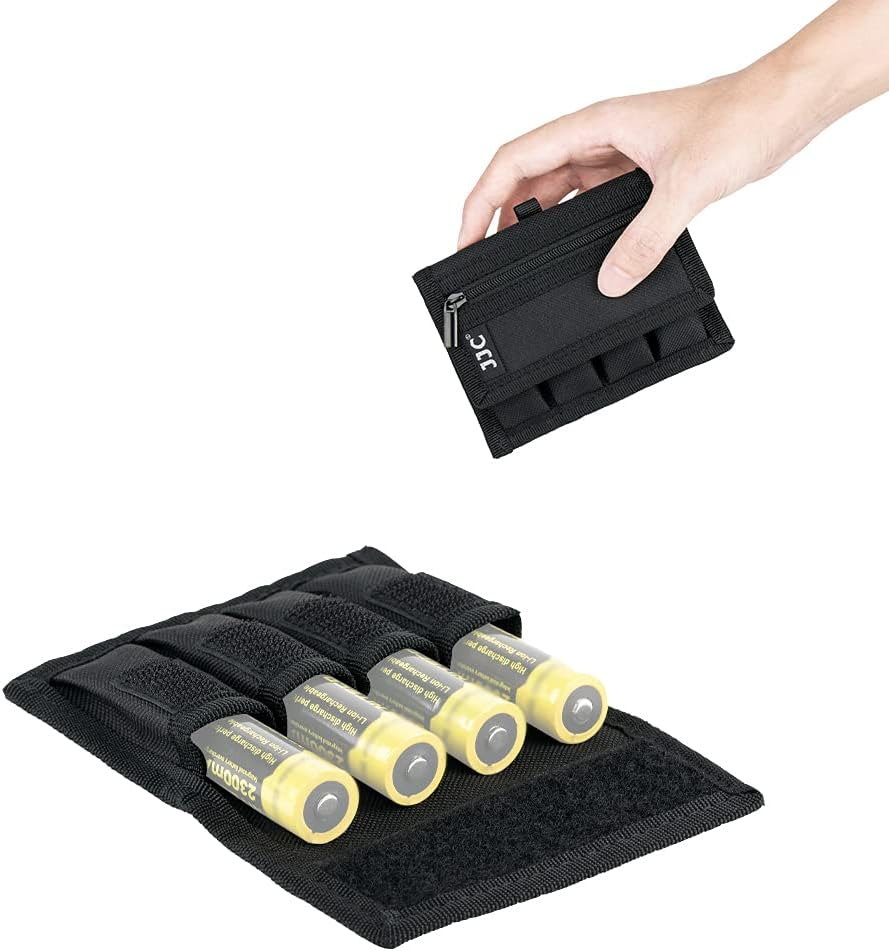
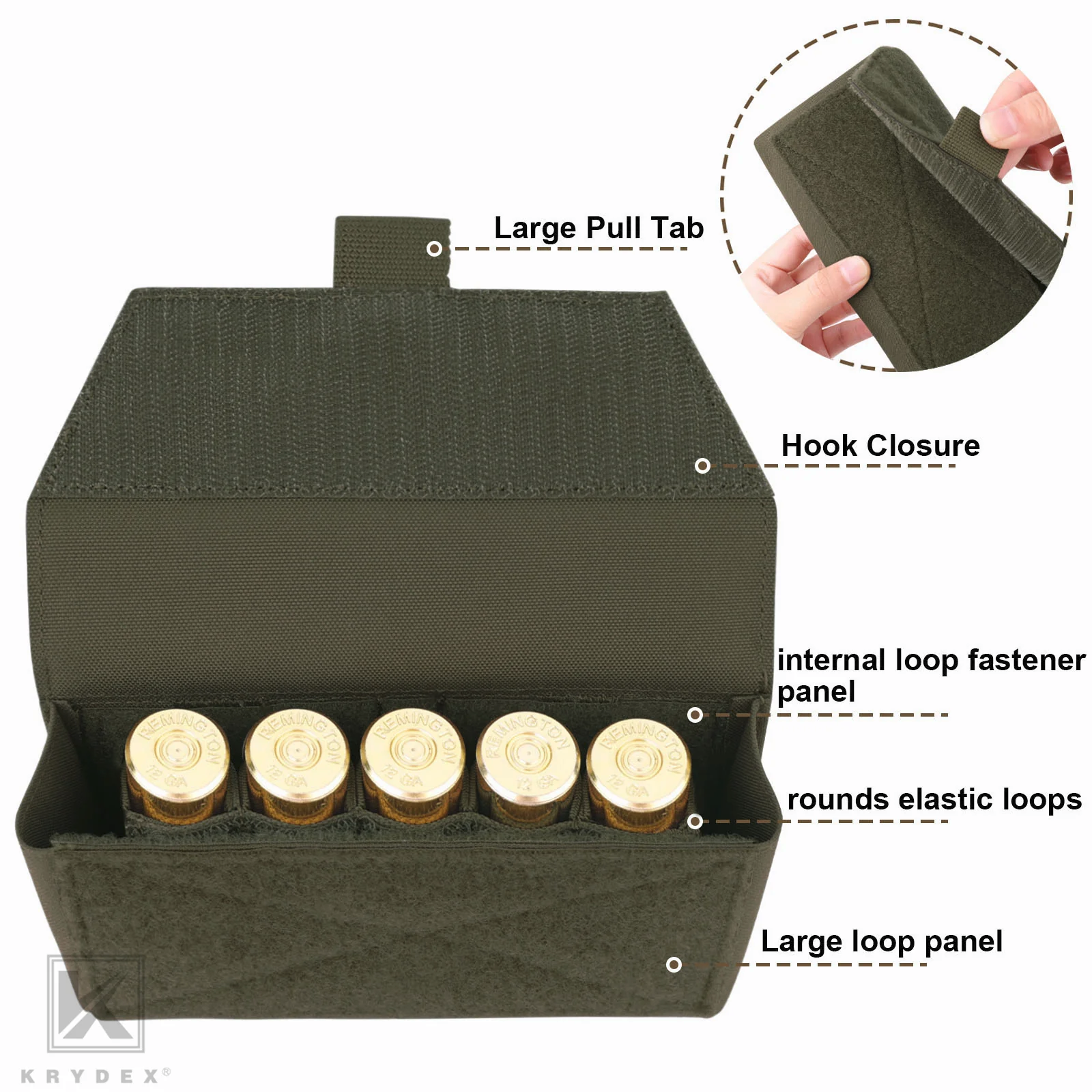
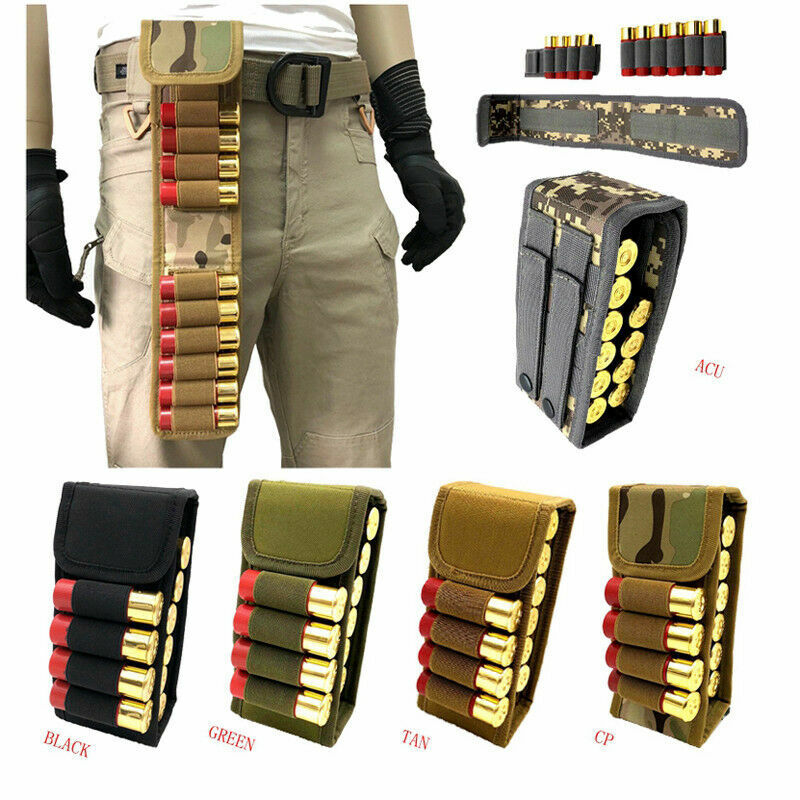
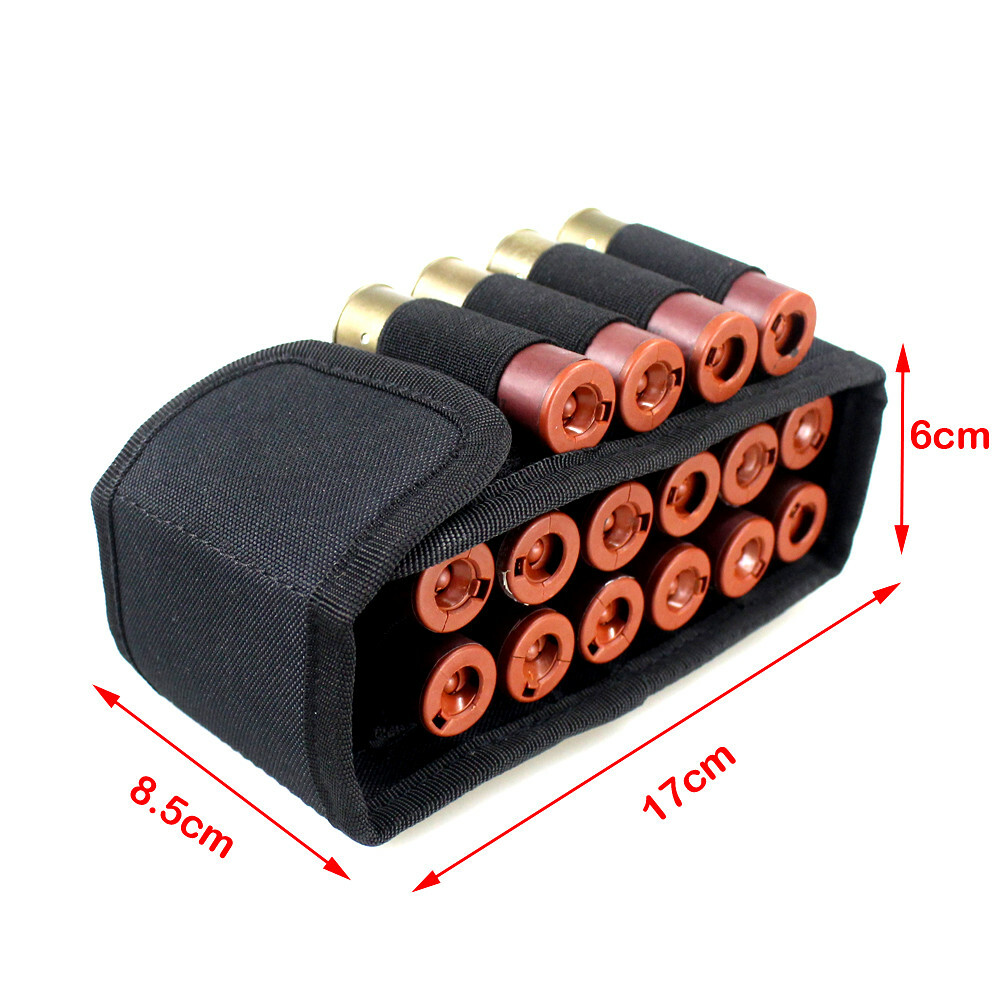
By the way, if you want to upgrade your battery pouch carry feature, a 12 gauge shotgun pouch fits 18650 cells very nicely.
1771150734888.png
1771150766915.png


Comes in all shapes and sizes, depending on how many photons you expect to spend on any perpetrator. 😎

1771150901698.png
1771150975764.png
 
Last edited:
I think tail switches have little to do with tacticallity, but with new design concepts, it makes lights smaller, and it is a lot more convenient for small lights to be controlled by tail switch as well. when SF came up with a concept of small, high power cells and halogen bulbs, it rewrote the rules flashlights were designed by since their introduction in 18th century. There was no tail switches when lights were relatively large, ran cool, and resistance was not a big issue. It was put there to solve issues new high power, small lights created such as heat, resistance, and keeping size to minimum.
 
When I here Tactical I see a sharp, scalloped bezel and single mode on/offf, plus lithium primaries. None of which apply to a headlamp.
 
I also remember watching lights for duty use evolve and way before any good weapon mounted lights were available a small single 123 cell light with a tail switch made it much easier to use with a handgun. The tail cap switch made it so easy to just tap it with your thumb while keeping the underhand grip with the back of both hands touching (Harries grip). Very similar to the cigar grip attachments it made it easier to keep the weapon stable while retaining as much grip as possible. I no longer have to worry about that as there are some very nice weapon mounted lights these days.

For much of my early career there were no real LED powered duty lights to enjoy. I started with a Mag then switched to a Stinger then came the Tiger Light for a short time (only the old timers will remember that one) then a few Surefire options and my favorite of all the Wolf Eyes yet all were incandescent. Sadly I vividly remember thinking that incandescent was the only way to go and believed this LED stuff would pass. Man was I way off on that one to say the least.

I still have a place in my heart for a good tactical incandescent light however the constant bulb changes in the field grew old and the technology was kind of stalled when LEDs really took off. I still often play around with some of my good incandescent lights and it is amazing to see what I used to consider a crazy amount of light. Yes I have a few heavy hitting modded incans that do put out a lot of light however they require several batteries to do so, they are usually larger and the bulbs are still less dependable under heavy use. Todays true tactical LEDs are very impressive and really the way to go if you have to depend on a light every night.

On a side note one of my favorite "tactical" small incans was my old Surefire E1e with the Lumens Factory E0-E1R drop in lamp assembly. This was my last incan back up I carried and at the time was considered a decent performer for the size. Crazy part is I think it was rated at 90 lumens and I enjoyed that little light. I still have maybe 6 working incan drop ins that are brand new as well as maybe 4 of the E1 series lights. I also bought several of the E1 LED LF drop ins for the same light and it completely transformed that light. I think that LED drop in is rated at 450 lumens....huge improvement to an old classic.
 
Last edited:
As an Amazon Associate we earn from qualifying purchases. Product prices and availability are accurate as of the date/time indicated and are subject to change.
I also remember watching lights for duty use evolve and way before any good weapon mounted lights were available a small single 123 cell light with a tail switch made it much easier to use with a handgun. The tail cap switch made it so easy to just tap it with your thumb while keeping the underhand grip with the back of both hands touching (Harries grip). Very similar to the cigar grip attachments it made it easier to keep the weapon stable while retaining as much grip as possible. I no longer have to worry about that as there are some very nice weapon mounted lights these days.

For much of my early career there were no real LED powered duty lights to enjoy. I started with a Mag then switched to a Stinger then came the Tiger Light for a short time (only the old timers will remember that one) then a few Surefire options and my favorite of all the Wolf Eyes yet all were incandescent. Sadly I vividly remember thinking that incandescent was the only way to go and believed this LED stuff would pass. Man was I way off on that one to say the least.

I still have a place in my heart for a good tactical incandescent light however the constant bulb changes in the field grew old and the technology was kind of stalled when LEDs really took off. I still often play around with some of my good incandescent lights and it is amazing to see what I used to consider a crazy amount of light. Yes I have a few heavy hitting modded incans that do put out a lot of light however they require several batteries to do so, they are usually larger and the bulbs are still less dependable under heavy use. Todays true tactical LEDs are very impressive and really the way to go if you have to depend on a light every night.

On a side note one of my favorite "tactical" small incans was my old Surefire E1e with the Lumens Factory E0-E1R drop in lamp assembly. This was my last incan back up I carried and at the time was considered a decent performer for the size. Crazy part is I think it was rated at 90 lumens and I enjoyed that little light. I still have maybe 6 working incan drop ins that are brand new as well as maybe 4 of the E1 series lights. I also bought several of the E1 LED LF drop ins for the same light and it completely transformed that light. I think that LED drop in is rated at 450 lumens....huge improvement to an old classic.
On two or three occasions, I've had to take my Mag-Lite out of retirement. I had problems with the first generation of Surefire and, later, Fenix.

The problem with living in Brazil is depending on importers for replacement parts. Mag-Lite is the only one with a solid representative (here it's the Brazilian branch of Victorinox, also responsible for Zippo lighters). They've been in the market for over 30 years and have always served me well when I needed them.

A pleasant surprise I had recently was with Pelican. I acquired a model with a 90-degree angled head (here we call it "elbow type," like Fulton) at an auction. The circuit board containing the battery contacts was defective. I contacted the representative to purchase that part, informing them that the flashlight was used and that I wasn't requesting anything under warranty.

The representative, in addition to sending me FIVE parts free of charge, didn't send them by mail: he personally delivered them to my house in his own car!
 
I also remember watching lights for duty use evolve and way before any good weapon mounted lights were available a small single 123 cell light with a tail switch made it much easier to use with a handgun. The tail cap switch made it so easy to just tap it with your thumb while keeping the underhand grip with the back of both hands touching (Harries grip). Very similar to the cigar grip attachments it made it easier to keep the weapon stable while retaining as much grip as possible. I no longer have to worry about that as there are some very nice weapon mounted lights these days.

For much of my early career there were no real LED powered duty lights to enjoy. I started with a Mag then switched to a Stinger then came the Tiger Light for a short time (only the old timers will remember that one) then a few Surefire options and my favorite of all the Wolf Eyes yet all were incandescent. Sadly I vividly remember thinking that incandescent was the only way to go and believed this LED stuff would pass. Man was I way off on that one to say the least.

I still have a place in my heart for a good tactical incandescent light however the constant bulb changes in the field grew old and the technology was kind of stalled when LEDs really took off. I still often play around with some of my good incandescent lights and it is amazing to see what I used to consider a crazy amount of light. Yes I have a few heavy hitting modded incans that do put out a lot of light however they require several batteries to do so, they are usually larger and the bulbs are still less dependable under heavy use. Todays true tactical LEDs are very impressive and really the way to go if you have to depend on a light every night.

On a side note one of my favorite "tactical" small incans was my old Surefire E1e with the Lumens Factory E0-E1R drop in lamp assembly. This was my last incan back up I carried and at the time was considered a decent performer for the size. Crazy part is I think it was rated at 90 lumens and I enjoyed that little light. I still have maybe 6 working incan drop ins that are brand new as well as maybe 4 of the E1 series lights. I also bought several of the E1 LED LF drop ins for the same light and it completely transformed that light. I think that LED drop in is rated at 450 lumens....huge improvement to an old classic.
One of the reasons I still have a fondness for the side switch is my time in Homicide (13 years, two of which were in the Missing Persons Unit). It wasn't uncommon for us to need to search wooded areas, riverbanks, or reservoirs. In these open areas, I used the "outdated" FBI technique (arm extended, keeping the flashlight away from the body). We never knew if we would find the body, the murderer, or both. In that technique, the side switch is better.
 
One of the reasons I still have a fondness for the side switch is my time in Homicide (13 years, two of which were in the Missing Persons Unit). It wasn't uncommon for us to need to search wooded areas, riverbanks, or reservoirs. In these open areas, I used the "outdated" FBI technique (arm extended, keeping the flashlight away from the body). We never knew if we would find the body, the murderer, or both. In that technique, the side switch is better.
in many techniques, the side switch is better, but the issue is indexing. With a tail switch, it's always at the tail. With a side switch, unless you've already got it in hand, you might have to fumble around for it. Pros and cons all around...
 
On two or three occasions, I've had to take my Mag-Lite out of retirement. I had problems with the first generation of Surefire and, later, Fenix.

The problem with living in Brazil is depending on importers for replacement parts. Mag-Lite is the only one with a solid representative (here it's the Brazilian branch of Victorinox, also responsible for Zippo lighters). They've been in the market for over 30 years and have always served me well when I needed them.

A pleasant surprise I had recently was with Pelican. I acquired a model with a 90-degree angled head (here we call it "elbow type," like Fulton) at an auction. The circuit board containing the battery contacts was defective. I contacted the representative to purchase that part, informing them that the flashlight was used and that I wasn't requesting anything under warranty.

The representative, in addition to sending me FIVE parts free of charge, didn't send them by mail: he personally delivered them to my house in his own car!
Pelican did try to get into the tactical crowd with their rechargeable 7060 model. It was a decent performer and was adopted by a few large agencies. I have a few lights by Pelican and they are decent. I think the problem for Pelican ,and many others, trying to get into the tactical market was momentum and word of mouth. There were a few well known brands that just kind of always were on top and had the money, buying power, marketing, and reputation to stay on top.

In todays world I do not think the original mag lite would be considered "tactical" however their reputation for toughness, and low cost, back then made them an easy choice for many. It took mag many years to evolve as all others around them were adapting to LED. Fast forward to today and you do not see Mag in hardly any local stores anymore. Mag had the reputation ,and buying power, to be a heavy hitter in the tactical game yet they just kind of coasted along in the background and were very late to the game.

Mag-lite is still well known for making decent lights however I believe they are better known for being an excellent host for modding. In my time here I have seen some very good mods with a mag host and there are still several that use them as a host today. Look into Lumencraft for a few current Mag host mods. Malkoff if I remember correctly also had some nice drop in parts for a Mag host.
 
One of the meanings of ‘tactics’ is …..the art of disposing armed forces in order of battle and of organizing operations, especially during contact with an enemy.
Tactical is as someone said, mainly a buzz word, always gets us when we are reading a products blurb. If it’s tactical then we have to have it.
However, specific to the above meaning one would call a tactical light a light that was suitable for engaging with an enemy. The first enemy at night is darkness. Well we don’t need a tactical light for that, any light will do and hopefully it does the job. In my mind a tactical light is a light that will find an enemy and disrupt that enemy. Typically that will require a decent amount of light, a strobe and if suitable a means to use that light as a weapon with a crenulated bezel. Inside the ‘decent amount of light’ you have a mix of spot and flood as this best represents our eyesight. An LEP light might blind an enemy but you may not see that enemy due to the beam focus. As Sure Fire lights were primarily made for people involved with tactics their light don’t carry the same gizmo type modes and functions that we flashaholics love to have.
 
I've written about this many times, but since I apparently haven't responded to this 19 year old thread...

A "tactical" light is one that is intended for use in combat. So far as I am concerned, that means a tactical light should:

1. Be as bright as is possible. A tactical light should be bright enough to blind and disorient an attacker, or unmistakably illuminate a target for a firearm.
2. Have one and only one mode, maximum brightness, although I will accept the addition of a strobe mode.
3. Be robust enough to survive impact, whether that is from a drop or use as an improvised truncheon.
4. Have a physical lock on and lock off function, to prevent it from being inadvertently turned on or off.
5. Have as big a battery as possible for as much runtime as possible. Must not have any parasitic drain whatsoever.
6. Have a single cell battery, to prevent problems with a failed cell causing reverse charging, overheating, venting, and explosion.
7. Have a user interface that will survive the stress of physical combat and reversion to lizard brain without requiring the user to remember complex button presses. One button, maximum. One-hand operation.

By contrast, the features that make a light a good tactical light are almost diametrically opposed to the features that make a light a good utility light, and that is why I carry two flashlights. A utility flashlight should always turn on in the lowest possible setting, to preserve night vision and battery runtime as much as possible.

I will also add, as others have noted, that there are tactics and there are tactics. Police work has a different set of requirements to military work, and civilian use is another thing altogether. As a civilian who lives in a constitutional carry state, my needs for a weapon support light are not necessarily the same needs that the good officers of our local police department may have. For one thing, I'm not a quartermaster supporting dozens of uniformed officers who are on duty 24/7/365. And of course, even in police and military work, there are different units and different modes of service that will have different requirements for things like maximum range. Sometimes a floodlight is better than a spotlight.
 
Last edited:

Latest posts

Back
Top